


A Guide to Mobility Milestones: When Is It Time to Upgrade to Electric?
Mobility needs rarely change overnight. For many people, the shift from a manual wheelchair to something powered happens gradually, as daily routines evolve and physical demands increase. Knowing when to upgrade can feel like a big decision, but recognising the signs early can help you maintain comfort and confidence.
In this guide, we explore the key mobility milestones that may indicate it is time to consider a mobility scooter, electric wheelchair, or another powered solution.
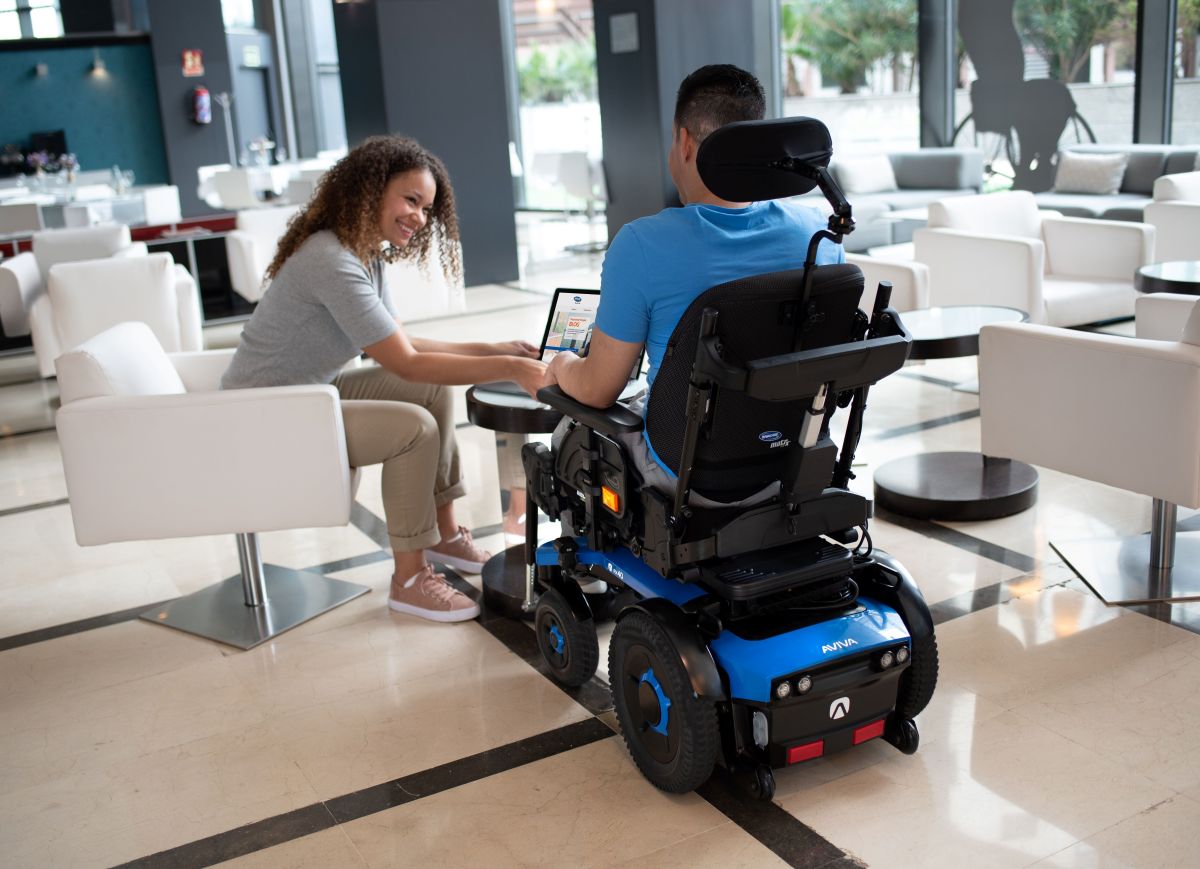
Understanding the Difference Between Manual and Powered Mobility
A manual wheelchair can be an excellent solution for short distances or when upper body strength is sufficient for self-propelling. However, as mobility needs change, pushing independently may become more tiring or uncomfortable.
An electric wheelchair offers motorised movement, reducing strain on the shoulders, wrists, and arms. Likewise, a mobility scooter, sometimes referred to as a power scooter, is designed for users who can transfer on and off safely but require support over longer distances.
The right option depends on your physical ability, environment, and lifestyle.
Sign 1: Increased Fatigue When Self-Propelling
One of the most common indicators is fatigue. If using a manual wheelchair leaves you exhausted after short outings, or if you find yourself avoiding trips altogether, this may signal a need for change.
A powerchair removes the physical effort of propulsion, allowing you to conserve energy for the things that matter - whether that is socialising, shopping, or simply enjoying a day out.
For those who travel further distances outdoors, a mobility scooter may provide greater range and comfort.
Sign 2: Pain or Strain in Upper Body Joints
Over time, repetitive strain on shoulders, wrists, and elbows can lead to discomfort. If you experience joint pain when pushing your wheelchair, switching to an electric wheelchair could reduce that pressure significantly.
Powered options are designed to improve ease of movement while maintaining posture and support. Making the change earlier rather than later can help prevent ongoing strain.
Sign 3: You’re Limiting Your Outings
Mobility equipment should expand your independence, not limit it. If you find yourself declining invitations or avoiding certain places because of distance or terrain, it may be time to consider upgrading.
A mobility scooter is often better suited for outdoor use, pavements, parks, and shopping centres. For indoor manoeuvrability and tighter turning spaces, a compact powerchair such as the SupaChair Mini is specifically designed for use around the home.
Sign 4: You Need More Support Throughout the Day
As mobility needs evolve, you may require support for longer periods. Sitting in a manual wheelchair for extended durations can sometimes feel restrictive, particularly if pushing is required throughout the day.
Upgrading to a powered solution can help you move more freely without assistance, reducing reliance on others and supporting independence at home and in the community.
Considering Lightweight and Folding Options
Upgrading does not necessarily mean choosing a large, complex model. Today’s designs include lightweight mobility scooters and dismantlable mobility scooters, which are easier to transport and store.
A folding mobility scooter can be ideal for those who regularly travel by car and want something practical for day trips.
Trying different configurations in person often makes it clearer which design feels more manageable. Visiting our Waterlooville showroom gives you the opportunity to compare a mobility scooter and a powerchair side by side, so you can see what feels right for you in a relaxed and supportive environment.
There Is No Single “Right Time”
Mobility milestones are personal. Some people transition from a manual wheelchair to a powerchair earlier to prevent strain, while others move to a mobility scooter when outdoor distances become challenging.
The most important factor is how you feel. If your current equipment feels limiting rather than supportive, it may be time to explore alternatives.
Moving Forward with Confidence
Upgrading from a manual to an electric wheelchair is not about losing independence - it is often about preserving it.
Recognising the signs early, understanding your options, and choosing equipment that suits your needs can help you stay active and confident in your day-to-day life. You can also read the NHS social care and support guide for wider information on maintaining independence.
Mobility needs change, and that is entirely normal. The key is ensuring your equipment changes with you.
If you’re unsure which option may be right for you, our team is always happy to help. Contact us to discuss your needs and explore which mobility aid could suit you best.
Frequently Asked Questions
Do I need training to use a powerchair?
Most people adapt quickly to a powerchair. A short demonstration can help you feel confident with the controls and settings.
How long do mobility scooter batteries last?
Battery range depends on the model and conditions. Our mobility scooters start from 6 miles per charge, with larger models offering greater range. It’s always best to check the specific model’s specifications.
Are mobility scooters and powerchairs suitable for air travel?
Some mobility scooter and powerchair models can be taken on flights, but airline policies vary. It’s important to check battery type, size restrictions, and approval requirements with your airline before travelling.
Date published: 13/02/2026
Recent Blogs
- New to Cavendish Health Care: The AVIVA RX10 Power Chair
- How to Use Bath Boards Safely and Comfortably
- When Wheelchair Repairs Need a Specialist
- What Wheelchair Width Do I Need? A Simple Guide
- Stairlift or Home Lift: Which Is Right for You?
- How to Choose the Best Portable Mobility Ramps
- Can Riser Recliners Help Circulation at Home?
- Bathroom Safety Aids Guide for Safer Daily Living
- What Is a Bespoke Riser Recliner Chair? Goldilocks and the Three Chairs
- Which Wheelchair Cushion Helps Pressure Sores?
- Choosing the Right Mobility Scooter Rain Cover
- How to Choose Grab Rails for Safer Living
- Lightweight Transit Wheelchair Review for Everyday Use
- How to Pick a Shower Stool That Feels Safe
- How to Choose a Mobility Scooter Repair Service: A Checklist & Review Guide
- Best Commodes for Home Use: What to Choose
- Choosing Triple Motor Riser Recliner Chairs
- 12 Best Daily Living Aids for Arthritis
- Home Mobility Assessment Guide for Safer Living
- Bathroom Mobility Aids Trends in 2026
- How Cavendish Health Care Waterlooville Puts Customers First
- What Bathroom Aids Prevent Falls at Home?
- Getting the Right Fit from Your Rollator
- Rollator or Walking Frame: Which Fits Best?
- Triple vs Quad Motor Riser Recliner Chairs
- 10 Top Daily Living Aids for Easier Days
- How to Choose the Best Riser Recliner Chairs
- Best Walking Aids for Balance Explained
- Profiling Bed Buying Guide for Home Use
- Do Mobility Scooters Need Servicing?
- Drive AeroCarbon: A Lightweight Folding Mobility Scooter Built for Modern Travel
- How to Choose a Rollator That Fits You
- Are Riser Recliners Good for Arthritis?
- A Practical Mobility Scooter Repair Checklist
- Monarch Supa Carbon Lite: A Lightweight Carbon Fibre Mobility Scooter Built for Travel
- Top Riser Recliner Chair Features to Look For
- Wheelchair Seating Guide for Better Comfort
- How to Clean Riser Recliners Properly
- Manual Wheelchair or Rollator?
- Making Your Home Safer When Living with Parkinsons
- Best Mobility Scooters for Seniors
- What Do Mobility Scooters Cost in the UK?
- A Different Definition of Independence
- From Pavements to Parks: Testing Rollator Durability for an Active Lifestyle
- Beyond Three Wheels: Choosing the Best 4-Wheeled Rollator for Parkinsons Safety
- April is Parkinsons Awareness Month: Reclaiming Your Daily Walk
- Cavendish MS Society Fundraiser Week in Waterlooville
- Supporting Accessible Travel at the Yes You Can Travel Event
- Wheelchair Servicing From 45 pounds Throughout March at Cavendish Health Care
- The 10-Second Transformation: Why Folding Powerchairs are Changing the Game
- Real World Manoeuvrability Dont Let Narrow Doorways Hold You Back
- Hampshire DFG Funding Boost: 50M Pounds Extra for Home Adaptations
- A Valued Thank You from Mr Garbutt
- Rediscover Your Sense of Adventure at the Yes You Can Travel and Adventure Day in Denmead
- A Guide to Mobility Milestones: When Is It Time to Upgrade to Electric?
- Yes You Can Travel & Adventure: Supporting Independence Beyond the Home
- The 2026 Mobility Review: How Proposed Law Changes Could Affect Your Scooter or Powerchair
- How the 2025 Autumn Budget Could Shape Everyday Life for Mobility Equipment Users
- Choosing The Right Mobility Aid: Your Ultimate FAQ Guide to Walkers, Rollators & Scooters
- Stay Mobile This Winter in Portsmouth & Waterlooville: 5 Essential Tips
- Helping Portsmouth & Waterlooville Hospital Patients Get Home Sooner
- A Lifetime of Service: My Mums Dedication to the Poppy Appeal
- Choosing the Right Mobility Aids After Hospital Discharge
- Sleep Better This Winter with an Adjustable Bed
- How to Make Your Garden Accessible with Mobility Aids
- How to Keep Warm and Dry on Your Mobility Scooter or Powerchair
- How The Right Mobility Scooter Transforms Independence: From Holidays to Everyday Life
- Hospital Discharge Support: Fast, Flexible Mobility Equipment Hire
- Stiltz Home Lifts: The Smarter Platform Lift for Independent Living
- Mobility Scooter Upgrade: How the Di Blasi R30 Fixes Old Flaws
- VAT Relief on Mobility Aids: Why Pricing Transparency Matters More Than Ever
- Do You Need Mobility Scooter Insurance? 6 Reasons to Consider Cover
- Walking Aids Explained: Types, Features & Benefits
- Stay Safe: Essential Bathroom Aids to Prevent Slips and Falls
- Embracing Life with Reduced Mobility
- Wheelchair Exercises and Tips to Stay Active and Social
- The Benefits of a Home Mobility Scooter Demonstration by Cavendish Health Care
- What to Do If Your Mobility Product Breaks Down: A Step-by-Step Guide
- What to Consider When Buying a Mobility Scooter
- Understanding the Journey of Mobility Aids
- How a SupaScoota Spartan has given me my freedom back
- Cavendish Health Care Maintenance Tips for Supascoota Mobility Scooters
- Accessible Walks in West Sussex
- Walking Stick Guide: Conquer Stairs with Ease and Confidence
- Struggling with stairs? Use our Walking Aids specifically designed for stairs
- Adjustable Beds - Experience Unparalleled Mobility
- Looking for a bathroom mobility aid?
- The benefits of a home demonstration
- Exploring Dorset's Charm: Accessible Walks for All Abilities
- Are you searching for a super light mobility scooter?
- Electric powered wheelchairs (Powerchairs)
- Discover Nature's Beauty: Accessible Walks in Devon for All Abilities
- Mobility Equipment: Buying Online vs In-Store
- Best Lightweight Car Boot Mobility Scooters for 2023
- What to expect from a home demonstration
- SupaScoota Sprint: Made to be a Portable Mobility Scooter
- Comfortable & Healthy Seating in your Rise Recliner Chair
- Why we're big fans of the V8 iLiving folding mobility scooter
- Benefits of an Adjustable Bed | Personalised Comfort for Better Sleep
- Staycation Travel Scooters for Summer 2022
- Best Car Boot Mobility Scooters for 2022
- Less than four weeks until Christmas
- Spotlight: The SupaScoota Spartan
- Would you buy a mobility scooter if it could...
- Buying Online vs Buying Offline Which is right for you?
- Help Around the Home | Living Aids | Accessibility
- Weather Protection Accessories for You and Your Mobility Scooter
- Mobility Scooter Maintenance in 5 Easy Steps
- Portable Mobility Scooters: What are your options?
- A Brief History of the Wheelchair
- Cavendish Health Care & Mobility will be at Naidex 2020
- Driving Miss Daisy: Assistance for People with Mobility Needs
- Christmas Gift Ideas for those with Limited Mobility
- The Highway Code for Mobility Scooter Users
- World Restart a Heart Day | Awareness
- How to Exercise if you have Limited Mobility
- SupaScoota Travel Adventures | Mr Roper's Experience
- Exploring the world of Wheelchair Tennis?
- Mobility Showroom in Hampshire | Cavendish Health Care & Mobility
- Stephen Hawking's Wheelchair to Sell in Online Auction
- A new 'life changing app' for disabled train users
- How to Prevent Mobility Scooter Theft
- Four Easy Ways to Get your Mobility Scooter into your Car Boot
- Accessible Walks for Everyone to Enjoy in Hampshire
- Is this the most versatile powerchair range in the UK?
- Torquay Showroom | Mobility Scooters, Wheelchairs, and More
- On Holiday at Euro Disney with the i3 Mobility Scooter
- Cavendish Healthcare's recommendations for World Book Day!
- 6 Reasons to Buy a Portable Mobility Scooter
- Travelling with a Lithium-Ion Battery
- Relax with our Top Range of Bathing Accessories
- 7 Top Reading Aids
- Guide to Riser Recliner Chairs
- Thank You for Supporting our Macmillan Coffee Morning
- The Able Label range of clothing
- Meeting our Easter Competition Winner at Winscombe Care Home
- Flight Friendly Lithium Batteries