


A Practical Mobility Scooter Repair Checklist
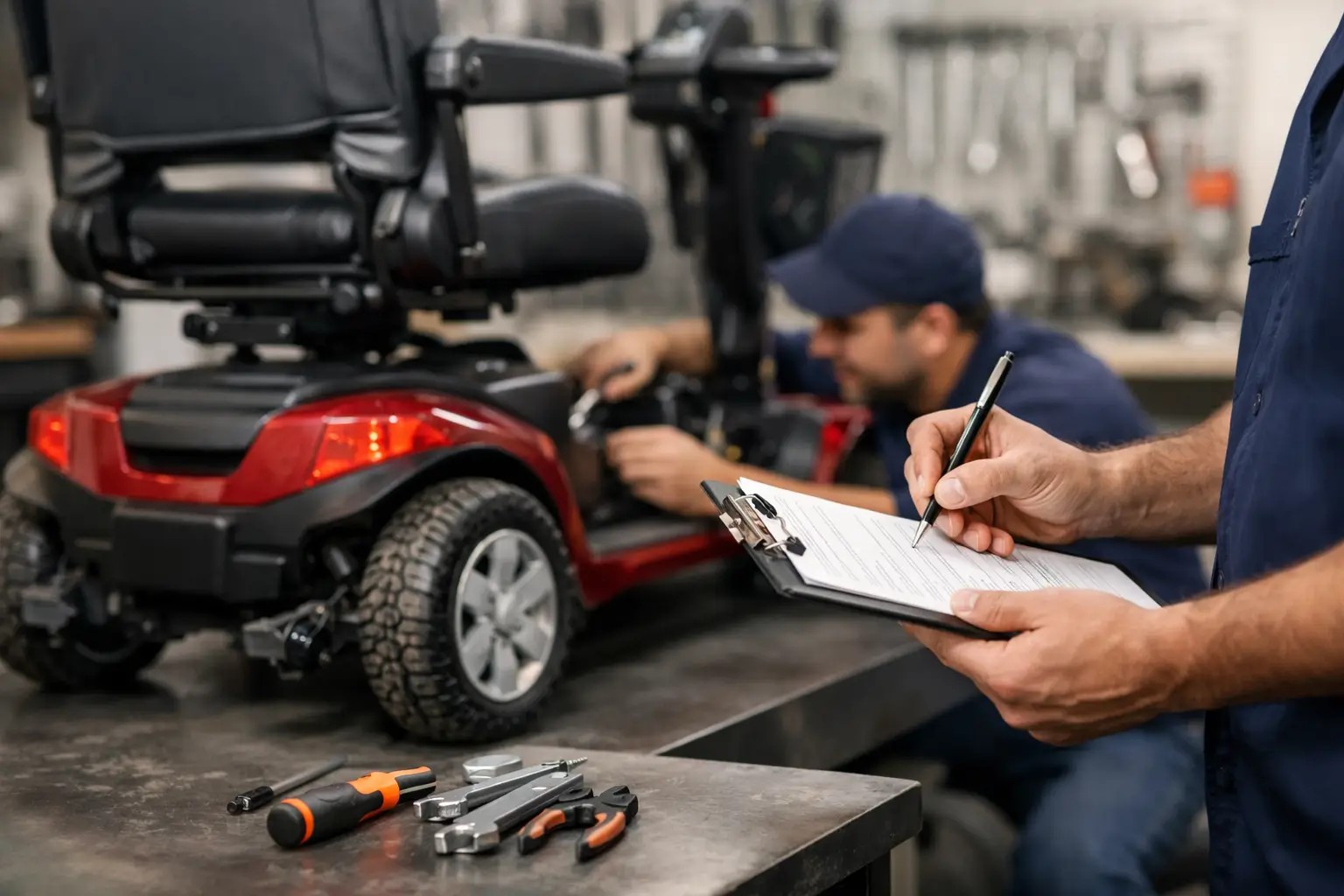 A mobility scooter rarely chooses a convenient moment to develop a fault. It is usually when you are about to head to the shops, travel to an appointment, or simply enjoy a bit of independence outdoors. That is why a sensible mobility scooter repair checklist matters. It helps you spot small issues early, avoid preventable breakdowns, and understand when a quick adjustment may help and when professional servicing is the safer choice.
For many people, a scooter is not just a piece of equipment. It is part of daily life. When it is running properly, you can get on with your routine confidently. When it is not, even a minor problem can feel disruptive. A calm, methodical check often makes the situation clearer.
Why a mobility scooter repair checklist is worth using
Not every scooter fault means an expensive repair. In quite a few cases, the issue is something simple such as a loose battery connection, a discharged battery, a tripped breaker, or tyres that have lost pressure. A checklist gives you a starting point before worry takes over.
It also helps with the opposite problem - missing early warning signs. A scooter may still be moving, but if it is pulling to one side, losing charge quickly, or making a new noise, that is often the right time to investigate. Small changes in performance can point to wear that is easier to deal with before it becomes a bigger failure.
Start with safety before any repair checks
Before you inspect anything, switch the scooter off, remove the key, and make sure it is on level ground. If your scooter has a freewheel mode, check whether it is fully engaged in drive mode before assuming there is a fault. If you need to look underneath or around moving parts, do not attempt anything that leaves the scooter unstable.
If you ever notice exposed wiring, a burning smell, signs of overheating, or damage after a collision, stop using the scooter until it has been properly assessed. A checklist is helpful, but it should never replace safe judgement.
A simple mobility scooter repair checklist to follow
Check the battery and charging system first
Battery-related issues are among the most common causes of poor scooter performance. If the scooter will not start, starts and cuts out, or seems to lose power much sooner than usual, begin here.
Check that the charger is the correct one for your scooter and that it is plugged in securely. Look for indicator lights on the charger and on the scooter's battery display. If the scooter has been left unused for a while, the batteries may simply need a full charge cycle. Batteries also lose effectiveness with age, so a scooter that once held charge well may gradually become less reliable.
Have a look at the battery terminals if they are safely accessible. Loose connections, corrosion, or obvious dirt can interfere with performance. What you should not do is guess with battery replacements or wiring if you are unsure. Electrical faults need careful handling.
Make sure the scooter is actually in drive mode
This catches more people out than you might expect. If the scooter powers on but will not move, the freewheel lever may be in neutral rather than drive. Some users accidentally move it while transporting or cleaning the scooter. Others find it has not clicked fully into place.
If the lever is set incorrectly, the scooter may appear faulty when it is not. Once returned to drive mode, switch off, wait a moment, and restart the scooter.
Inspect the tyres and wheels
Tyres affect comfort, stability, and battery efficiency. If they are underinflated, worn, or damaged, the scooter may feel sluggish or uneven. On pneumatic tyres, check pressure against the manufacturer's guidance. On solid tyres, look for cracking, flat spots, or excessive wear.
Also check whether anything has become wrapped around the wheel axle. Threads, hair, and small bits of debris can build up over time and affect smooth movement. If the scooter is pulling to one side, a tyre issue is one possible cause, although steering alignment or suspension wear may also be involved.
Test the brakes and stopping response
A scooter should stop smoothly and predictably. If braking feels delayed, jerky, or weaker than usual, do not ignore it. Sometimes the issue may be linked to general wear, and sometimes it can be connected to battery condition or the scooter's control system.
Listen and feel for changes. If the scooter rolls unexpectedly when it should be holding position, that needs professional attention. Reliable braking is too important to leave to trial and error.
Look at lights, indicators, and horn
If your scooter includes lights, indicators, or a horn, test them regularly. These are not just convenience features. They help with visibility and awareness, especially if you travel in shared outdoor spaces or in lower light.
A failed light may be a bulb, a fuse, or a wider electrical issue. If several electrical features stop working at once, that usually points to something more than a single failed component.
Pay attention to unusual noises
Scooters do make some normal operational sounds, but new noises deserve attention. Clicking, grinding, rattling, or squeaking can suggest loose fixings, worn moving parts, or debris caught where it should not be.
The useful question is not only what the noise sounds like, but when it happens. Only on turns? Only under load? Only when setting off? That detail can make diagnosis much easier if you need specialist help later.
Check the tiller, seat, and controls
If the tiller feels loose, the seat wobbles, or the controls are stiff or inconsistent, the scooter may become uncomfortable and less safe to use. Make sure adjustable parts are locked properly in place and that the throttle lever responds smoothly.
A control panel that flickers, shows fault codes, or behaves unpredictably should not be ignored. Even if the scooter still moves, an intermittent control problem can become a reliability issue very quickly.
What you can do yourself and what is best left to a specialist
There is a sensible line between routine owner checks and proper repair work. Basic tasks such as charging correctly, checking tyre condition, cleaning the scooter, and confirming the freewheel lever position are all reasonable for most users.
More technical work is different. Battery testing, brake repairs, electrical diagnosis, motor faults, and control system issues usually need experienced hands. The trade-off is simple. Trying to save time or money by guessing can lead to bigger repair costs or make the scooter unsafe. A dependable service engineer can often identify the real cause much faster.
For older scooters, it may also depend on parts availability and overall condition. Sometimes repair is straightforward and worthwhile. In other cases, repeated faults may suggest it is time to consider whether the scooter still suits your needs.
Signs your scooter needs professional servicing soon
Even if the scooter is still usable, some signs should move servicing up the priority list. These include reduced range after charging, inconsistent speed, difficulty starting, wobbling wheels, recurring punctures, warning lights, or any sudden change in braking.
Water exposure is another one to take seriously. A scooter caught in heavy rain or stored damp for long periods may develop electrical or corrosion-related issues later, even if it appears fine at first.
At Cavendish Waterlooville, we often find that customers feel reassured once a fault is properly checked rather than guessed at. Knowing whether the issue is minor wear or something more significant makes planning much easier.
Preventing common repairs with regular care
The best repair checklist is the one you do not need in a rush. Regular cleaning, sensible charging habits, and periodic servicing go a long way. Keep the scooter dry where possible, charge it as recommended for the battery type, and avoid leaving it unused for long stretches without attention.
It also helps to notice patterns. If your scooter struggles on hills more than it used to, feels less comfortable over bumps, or needs charging sooner, these are useful early clues. They do not always point to a major fault, but they do tell you the scooter would benefit from a closer look.
A well-maintained scooter supports confidence as much as mobility. When you know it has been checked properly and is working as it should, everyday journeys feel simpler. If something does not seem right, trust that instinct, stop and assess it carefully, and ask for expert help before a small problem gets in the way of your independence.
Date Published: 09/06/2026
Recent Blogs
- New to Cavendish Health Care: The AVIVA RX10 Power Chair
- How to Use Bath Boards Safely and Comfortably
- When Wheelchair Repairs Need a Specialist
- What Wheelchair Width Do I Need? A Simple Guide
- Stairlift or Home Lift: Which Is Right for You?
- How to Choose the Best Portable Mobility Ramps
- Can Riser Recliners Help Circulation at Home?
- Bathroom Safety Aids Guide for Safer Daily Living
- What Is a Bespoke Riser Recliner Chair? Goldilocks and the Three Chairs
- Which Wheelchair Cushion Helps Pressure Sores?
- Choosing the Right Mobility Scooter Rain Cover
- How to Choose Grab Rails for Safer Living
- Lightweight Transit Wheelchair Review for Everyday Use
- How to Pick a Shower Stool That Feels Safe
- How to Choose a Mobility Scooter Repair Service: A Checklist & Review Guide
- Best Commodes for Home Use: What to Choose
- Choosing Triple Motor Riser Recliner Chairs
- 12 Best Daily Living Aids for Arthritis
- Home Mobility Assessment Guide for Safer Living
- Bathroom Mobility Aids Trends in 2026
- How Cavendish Health Care Waterlooville Puts Customers First
- What Bathroom Aids Prevent Falls at Home?
- Getting the Right Fit from Your Rollator
- Rollator or Walking Frame: Which Fits Best?
- Triple vs Quad Motor Riser Recliner Chairs
- 10 Top Daily Living Aids for Easier Days
- How to Choose the Best Riser Recliner Chairs
- Best Walking Aids for Balance Explained
- Profiling Bed Buying Guide for Home Use
- Do Mobility Scooters Need Servicing?
- Drive AeroCarbon: A Lightweight Folding Mobility Scooter Built for Modern Travel
- How to Choose a Rollator That Fits You
- Are Riser Recliners Good for Arthritis?
- A Practical Mobility Scooter Repair Checklist
- Monarch Supa Carbon Lite: A Lightweight Carbon Fibre Mobility Scooter Built for Travel
- Top Riser Recliner Chair Features to Look For
- Wheelchair Seating Guide for Better Comfort
- How to Clean Riser Recliners Properly
- Manual Wheelchair or Rollator?
- Making Your Home Safer When Living with Parkinsons
- Best Mobility Scooters for Seniors
- What Do Mobility Scooters Cost in the UK?
- A Different Definition of Independence
- From Pavements to Parks: Testing Rollator Durability for an Active Lifestyle
- Beyond Three Wheels: Choosing the Best 4-Wheeled Rollator for Parkinsons Safety
- April is Parkinsons Awareness Month: Reclaiming Your Daily Walk
- Cavendish MS Society Fundraiser Week in Waterlooville
- Supporting Accessible Travel at the Yes You Can Travel Event
- Wheelchair Servicing From 45 pounds Throughout March at Cavendish Health Care
- The 10-Second Transformation: Why Folding Powerchairs are Changing the Game
- Real World Manoeuvrability Dont Let Narrow Doorways Hold You Back
- Hampshire DFG Funding Boost: 50M Pounds Extra for Home Adaptations
- A Valued Thank You from Mr Garbutt
- Rediscover Your Sense of Adventure at the Yes You Can Travel and Adventure Day in Denmead
- A Guide to Mobility Milestones: When Is It Time to Upgrade to Electric?
- Yes You Can Travel & Adventure: Supporting Independence Beyond the Home
- The 2026 Mobility Review: How Proposed Law Changes Could Affect Your Scooter or Powerchair
- How the 2025 Autumn Budget Could Shape Everyday Life for Mobility Equipment Users
- Choosing The Right Mobility Aid: Your Ultimate FAQ Guide to Walkers, Rollators & Scooters
- Stay Mobile This Winter in Portsmouth & Waterlooville: 5 Essential Tips
- Helping Portsmouth & Waterlooville Hospital Patients Get Home Sooner
- A Lifetime of Service: My Mums Dedication to the Poppy Appeal
- Choosing the Right Mobility Aids After Hospital Discharge
- Sleep Better This Winter with an Adjustable Bed
- How to Make Your Garden Accessible with Mobility Aids
- How to Keep Warm and Dry on Your Mobility Scooter or Powerchair
- How The Right Mobility Scooter Transforms Independence: From Holidays to Everyday Life
- Hospital Discharge Support: Fast, Flexible Mobility Equipment Hire
- Stiltz Home Lifts: The Smarter Platform Lift for Independent Living
- Mobility Scooter Upgrade: How the Di Blasi R30 Fixes Old Flaws
- VAT Relief on Mobility Aids: Why Pricing Transparency Matters More Than Ever
- Do You Need Mobility Scooter Insurance? 6 Reasons to Consider Cover
- Walking Aids Explained: Types, Features & Benefits
- Stay Safe: Essential Bathroom Aids to Prevent Slips and Falls
- Embracing Life with Reduced Mobility
- Wheelchair Exercises and Tips to Stay Active and Social
- The Benefits of a Home Mobility Scooter Demonstration by Cavendish Health Care
- What to Do If Your Mobility Product Breaks Down: A Step-by-Step Guide
- What to Consider When Buying a Mobility Scooter
- Understanding the Journey of Mobility Aids
- How a SupaScoota Spartan has given me my freedom back
- Cavendish Health Care Maintenance Tips for Supascoota Mobility Scooters
- Accessible Walks in West Sussex
- Walking Stick Guide: Conquer Stairs with Ease and Confidence
- Struggling with stairs? Use our Walking Aids specifically designed for stairs
- Adjustable Beds - Experience Unparalleled Mobility
- Looking for a bathroom mobility aid?
- The benefits of a home demonstration
- Exploring Dorset's Charm: Accessible Walks for All Abilities
- Are you searching for a super light mobility scooter?
- Electric powered wheelchairs (Powerchairs)
- Discover Nature's Beauty: Accessible Walks in Devon for All Abilities
- Mobility Equipment: Buying Online vs In-Store
- Best Lightweight Car Boot Mobility Scooters for 2023
- What to expect from a home demonstration
- SupaScoota Sprint: Made to be a Portable Mobility Scooter
- Comfortable & Healthy Seating in your Rise Recliner Chair
- Why we're big fans of the V8 iLiving folding mobility scooter
- Benefits of an Adjustable Bed | Personalised Comfort for Better Sleep
- Staycation Travel Scooters for Summer 2022
- Best Car Boot Mobility Scooters for 2022
- Less than four weeks until Christmas
- Spotlight: The SupaScoota Spartan
- Would you buy a mobility scooter if it could...
- Buying Online vs Buying Offline Which is right for you?
- Help Around the Home | Living Aids | Accessibility
- Weather Protection Accessories for You and Your Mobility Scooter
- Mobility Scooter Maintenance in 5 Easy Steps
- Portable Mobility Scooters: What are your options?
- A Brief History of the Wheelchair
- Cavendish Health Care & Mobility will be at Naidex 2020
- Driving Miss Daisy: Assistance for People with Mobility Needs
- Christmas Gift Ideas for those with Limited Mobility
- The Highway Code for Mobility Scooter Users
- World Restart a Heart Day | Awareness
- How to Exercise if you have Limited Mobility
- SupaScoota Travel Adventures | Mr Roper's Experience
- Exploring the world of Wheelchair Tennis?
- Mobility Showroom in Hampshire | Cavendish Health Care & Mobility
- Stephen Hawking's Wheelchair to Sell in Online Auction
- A new 'life changing app' for disabled train users
- How to Prevent Mobility Scooter Theft
- Four Easy Ways to Get your Mobility Scooter into your Car Boot
- Accessible Walks for Everyone to Enjoy in Hampshire
- Is this the most versatile powerchair range in the UK?
- Torquay Showroom | Mobility Scooters, Wheelchairs, and More
- On Holiday at Euro Disney with the i3 Mobility Scooter
- Cavendish Healthcare's recommendations for World Book Day!
- 6 Reasons to Buy a Portable Mobility Scooter
- Travelling with a Lithium-Ion Battery
- Relax with our Top Range of Bathing Accessories
- 7 Top Reading Aids
- Guide to Riser Recliner Chairs
- Thank You for Supporting our Macmillan Coffee Morning
- The Able Label range of clothing
- Meeting our Easter Competition Winner at Winscombe Care Home
- Flight Friendly Lithium Batteries