


Choosing the Right Mobility Scooter Rain Cover
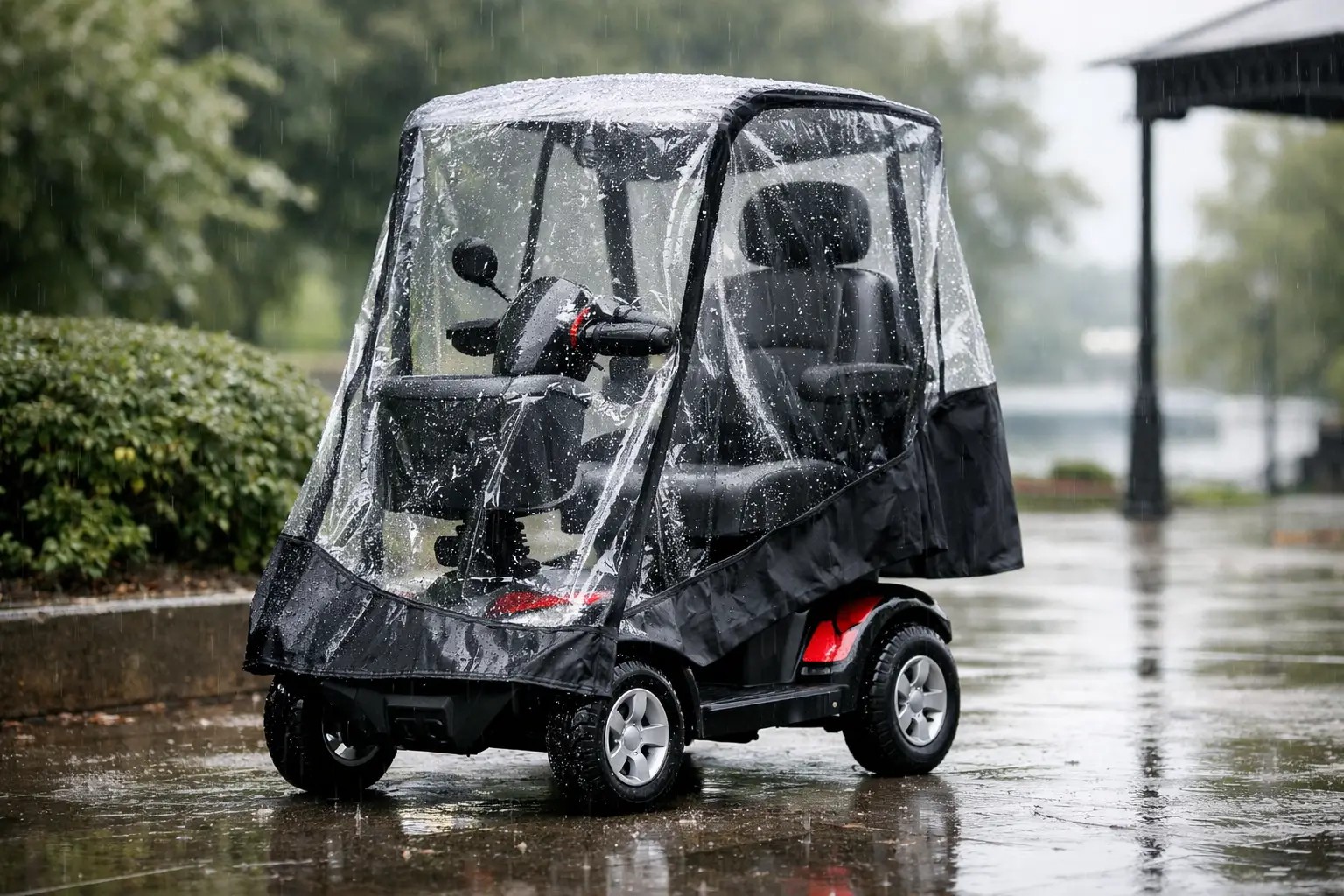 A sudden shower should not automatically mean cancelling a trip to the shops, a visit to a friend or a walk through the park. The right mobility scooter rain cover can make wet-weather journeys far more comfortable, helping to protect both the rider and the scooter’s controls from rain, wind and splashes.
However, covers are not all made for the same purpose. A cover that is ideal for a compact boot scooter may not sit securely on a larger road scooter, while a full canopy can suit one person perfectly but feel restrictive to another. Choosing well comes down to your scooter, the journeys you make and how much protection you genuinely need.
What Does a Mobility Scooter Rain Cover Protect?
Most rider rain covers are designed to provide a weather-resistant layer over the user’s legs, body and sometimes the scooter’s tiller. They can help keep clothing dry, reduce wind chill and make the control area less exposed during light to moderate rain.
They are particularly useful for short, necessary journeys where waiting for the weather to improve is not practical. For example, you may use your scooter to collect a prescription, travel from a car park to an appointment or make a regular local journey. In these situations, putting on a cover can be much simpler than changing into full waterproof clothing.
A rain cover should not be confused with a storage cover. A storage cover fits over the entire scooter when it is parked and is intended to protect it from dirt, rain and sunlight while not in use. It must never be used while riding, as it can obscure lights, controls and your view.
Choosing a Mobility Scooter Rain Cover That Fits
Fit is the first priority. An oversized cover may flap in the wind, catch around the wheels or make it difficult to get on and off the scooter. One that is too small may leave your knees, feet or the front of the scooter exposed.
Before choosing, consider the size and shape of your scooter, including the seat style, armrests, tiller height and whether it has a basket, mirror or headrest. A cover for a small pavement scooter will often be very different from one intended for a larger, longer-range model.
Leg and Lap Covers
A leg or lap cover normally attaches around the waist and drapes over the rider’s knees and lower legs. This is a good option when you prefer to wear your own waterproof jacket but would like protection from rain running onto your lap or trousers.
These covers are generally easy to fold and keep in a bag or basket. They can be a practical choice for people who only encounter occasional showers, although they do not offer the same upper-body protection as a full scooter cape.
Full-Body Scooter Capes
A mobility scooter cape covers the rider from the shoulders down and commonly has a clear section at the front so you can see the controls. It offers more complete coverage and can be especially welcome in windy rain.
The trade-off is that a cape needs to be put on carefully. It must allow free movement of your hands and arms, and the transparent panel should sit flat enough for you to read the battery gauge and operate the controls without obstruction.
Canopies and Fitted Weather Protection
Some larger scooters can be fitted with a canopy or purpose-designed weather enclosure. These can offer greater shelter from rain and wind, particularly for regular outdoor users, but they add bulk and may affect access to the scooter, storage arrangements and transport options.
A fitted canopy is worth considering if you use your scooter frequently throughout the year. It is usually less suitable if your scooter needs to fold, dismantle for a car boot or pass through narrow doorways.
Features That Make a Real Difference
Water-resistant material matters, but small design details often determine whether a cover is comfortable to use. Look for a cover that has secure fastenings, enough room around the knees and feet, and an opening or clear panel that lets you reach every control confidently.
A soft, flexible material is often easier to manage than a stiff, heavy cover, especially if hand strength or dexterity is limited. At the same time, very lightweight material may move about more in strong winds. The best balance depends on whether your main concern is quick protection during showers or regular use in exposed areas.
Visibility also deserves close attention. Your lights, indicators, reflectors and mirrors should remain clear, and no part of the cover should block your view of the pavement, kerbs or people around you. If you travel at dusk or in poor weather, high-visibility details can provide extra reassurance, but they do not replace suitable lights and careful riding.
It is also sensible to check how well the cover sits around your feet. Loose material near the footplate can become awkward when getting on or off. A well-fitted cover should protect your lower legs without creating a trip hazard or interfering with safe positioning of your feet.
Using a Rain Cover Safely in Wet Weather
A cover can improve comfort, but rain still changes the conditions around you. Wet leaves, painted road markings, metal drain covers and dropped kerbs may become slippery. Allow more time, slow down before turns and avoid deep puddles where you cannot judge the surface beneath.
Make sure you can move your hands freely between the grips, brake controls and any switches. If your cover has a clear front panel, keep it clean and free from creases so it does not make the display difficult to see. If it steams up, stops you seeing clearly or makes you feel confined, stop somewhere safe and adjust it before continuing.
No rain cover makes every journey suitable. Heavy rain, high winds, poor visibility or flooded paths can make scooter travel unsafe, particularly on open routes. There is no loss of independence in choosing to delay a journey, arrange help or use another form of transport when the weather is severe.
After using the scooter in the rain, wipe down the seat, tiller and visible surfaces with a dry cloth. Check that the charging point is dry before charging and follow the guidance supplied with your scooter. Regular servicing is also valuable, as it gives a technician the opportunity to inspect controls, tyres, brakes and electrical components that may be affected by frequent outdoor use.
Make the Cover Easy to Use, Not Just Useful to Own
The most protective cover is of little help if it is difficult to put on when you need it. Practise fitting it at home on a dry day, ideally with someone nearby the first time. You will learn where it fastens, how it sits around the tiller and whether you can reach your basket, keys and phone comfortably.
Keep it folded in the same place each time, such as a scooter bag or basket, rather than leaving it at home because the sky looked clear. If you use it often, allow it to dry fully indoors before folding it away. Packing away a damp cover can lead to unpleasant smells and may shorten the life of the material.
A mobility scooter rain cover is a modest accessory, but the right one can give you more confidence to keep plans in place when the forecast is unsettled. If you are unsure about size, style or compatibility, specialist advice and the chance to try a cover with your own scooter can make the decision much easier. At Cavendish Health Care & Mobility, the focus is always on finding equipment that feels practical, safe and right for your everyday life.
Date Published: 30/07/2026
Recent Blogs
- New to Cavendish Health Care: The AVIVA RX10 Power Chair
- How to Use Bath Boards Safely and Comfortably
- When Wheelchair Repairs Need a Specialist
- What Wheelchair Width Do I Need? A Simple Guide
- Stairlift or Home Lift: Which Is Right for You?
- How to Choose the Best Portable Mobility Ramps
- Can Riser Recliners Help Circulation at Home?
- Bathroom Safety Aids Guide for Safer Daily Living
- What Is a Bespoke Riser Recliner Chair? Goldilocks and the Three Chairs
- Which Wheelchair Cushion Helps Pressure Sores?
- Choosing the Right Mobility Scooter Rain Cover
- How to Choose Grab Rails for Safer Living
- Lightweight Transit Wheelchair Review for Everyday Use
- How to Pick a Shower Stool That Feels Safe
- How to Choose a Mobility Scooter Repair Service: A Checklist & Review Guide
- Best Commodes for Home Use: What to Choose
- Choosing Triple Motor Riser Recliner Chairs
- 12 Best Daily Living Aids for Arthritis
- Home Mobility Assessment Guide for Safer Living
- Bathroom Mobility Aids Trends in 2026
- How Cavendish Health Care Waterlooville Puts Customers First
- What Bathroom Aids Prevent Falls at Home?
- Getting the Right Fit from Your Rollator
- Rollator or Walking Frame: Which Fits Best?
- Triple vs Quad Motor Riser Recliner Chairs
- 10 Top Daily Living Aids for Easier Days
- How to Choose the Best Riser Recliner Chairs
- Best Walking Aids for Balance Explained
- Profiling Bed Buying Guide for Home Use
- Do Mobility Scooters Need Servicing?
- Drive AeroCarbon: A Lightweight Folding Mobility Scooter Built for Modern Travel
- How to Choose a Rollator That Fits You
- Are Riser Recliners Good for Arthritis?
- A Practical Mobility Scooter Repair Checklist
- Monarch Supa Carbon Lite: A Lightweight Carbon Fibre Mobility Scooter Built for Travel
- Top Riser Recliner Chair Features to Look For
- Wheelchair Seating Guide for Better Comfort
- How to Clean Riser Recliners Properly
- Manual Wheelchair or Rollator?
- Making Your Home Safer When Living with Parkinsons
- Best Mobility Scooters for Seniors
- What Do Mobility Scooters Cost in the UK?
- A Different Definition of Independence
- From Pavements to Parks: Testing Rollator Durability for an Active Lifestyle
- Beyond Three Wheels: Choosing the Best 4-Wheeled Rollator for Parkinsons Safety
- April is Parkinsons Awareness Month: Reclaiming Your Daily Walk
- Cavendish MS Society Fundraiser Week in Waterlooville
- Supporting Accessible Travel at the Yes You Can Travel Event
- Wheelchair Servicing From 45 pounds Throughout March at Cavendish Health Care
- The 10-Second Transformation: Why Folding Powerchairs are Changing the Game
- Real World Manoeuvrability Dont Let Narrow Doorways Hold You Back
- Hampshire DFG Funding Boost: 50M Pounds Extra for Home Adaptations
- A Valued Thank You from Mr Garbutt
- Rediscover Your Sense of Adventure at the Yes You Can Travel and Adventure Day in Denmead
- A Guide to Mobility Milestones: When Is It Time to Upgrade to Electric?
- Yes You Can Travel & Adventure: Supporting Independence Beyond the Home
- The 2026 Mobility Review: How Proposed Law Changes Could Affect Your Scooter or Powerchair
- How the 2025 Autumn Budget Could Shape Everyday Life for Mobility Equipment Users
- Choosing The Right Mobility Aid: Your Ultimate FAQ Guide to Walkers, Rollators & Scooters
- Stay Mobile This Winter in Portsmouth & Waterlooville: 5 Essential Tips
- Helping Portsmouth & Waterlooville Hospital Patients Get Home Sooner
- A Lifetime of Service: My Mums Dedication to the Poppy Appeal
- Choosing the Right Mobility Aids After Hospital Discharge
- Sleep Better This Winter with an Adjustable Bed
- How to Make Your Garden Accessible with Mobility Aids
- How to Keep Warm and Dry on Your Mobility Scooter or Powerchair
- How The Right Mobility Scooter Transforms Independence: From Holidays to Everyday Life
- Hospital Discharge Support: Fast, Flexible Mobility Equipment Hire
- Stiltz Home Lifts: The Smarter Platform Lift for Independent Living
- Mobility Scooter Upgrade: How the Di Blasi R30 Fixes Old Flaws
- VAT Relief on Mobility Aids: Why Pricing Transparency Matters More Than Ever
- Do You Need Mobility Scooter Insurance? 6 Reasons to Consider Cover
- Walking Aids Explained: Types, Features & Benefits
- Stay Safe: Essential Bathroom Aids to Prevent Slips and Falls
- Embracing Life with Reduced Mobility
- Wheelchair Exercises and Tips to Stay Active and Social
- The Benefits of a Home Mobility Scooter Demonstration by Cavendish Health Care
- What to Do If Your Mobility Product Breaks Down: A Step-by-Step Guide
- What to Consider When Buying a Mobility Scooter
- Understanding the Journey of Mobility Aids
- How a SupaScoota Spartan has given me my freedom back
- Cavendish Health Care Maintenance Tips for Supascoota Mobility Scooters
- Accessible Walks in West Sussex
- Walking Stick Guide: Conquer Stairs with Ease and Confidence
- Struggling with stairs? Use our Walking Aids specifically designed for stairs
- Adjustable Beds - Experience Unparalleled Mobility
- Looking for a bathroom mobility aid?
- The benefits of a home demonstration
- Exploring Dorset's Charm: Accessible Walks for All Abilities
- Are you searching for a super light mobility scooter?
- Electric powered wheelchairs (Powerchairs)
- Discover Nature's Beauty: Accessible Walks in Devon for All Abilities
- Mobility Equipment: Buying Online vs In-Store
- Best Lightweight Car Boot Mobility Scooters for 2023
- What to expect from a home demonstration
- SupaScoota Sprint: Made to be a Portable Mobility Scooter
- Comfortable & Healthy Seating in your Rise Recliner Chair
- Why we're big fans of the V8 iLiving folding mobility scooter
- Benefits of an Adjustable Bed | Personalised Comfort for Better Sleep
- Staycation Travel Scooters for Summer 2022
- Best Car Boot Mobility Scooters for 2022
- Less than four weeks until Christmas
- Spotlight: The SupaScoota Spartan
- Would you buy a mobility scooter if it could...
- Buying Online vs Buying Offline Which is right for you?
- Help Around the Home | Living Aids | Accessibility
- Weather Protection Accessories for You and Your Mobility Scooter
- Mobility Scooter Maintenance in 5 Easy Steps
- Portable Mobility Scooters: What are your options?
- A Brief History of the Wheelchair
- Cavendish Health Care & Mobility will be at Naidex 2020
- Driving Miss Daisy: Assistance for People with Mobility Needs
- Christmas Gift Ideas for those with Limited Mobility
- The Highway Code for Mobility Scooter Users
- World Restart a Heart Day | Awareness
- How to Exercise if you have Limited Mobility
- SupaScoota Travel Adventures | Mr Roper's Experience
- Exploring the world of Wheelchair Tennis?
- Mobility Showroom in Hampshire | Cavendish Health Care & Mobility
- Stephen Hawking's Wheelchair to Sell in Online Auction
- A new 'life changing app' for disabled train users
- How to Prevent Mobility Scooter Theft
- Four Easy Ways to Get your Mobility Scooter into your Car Boot
- Accessible Walks for Everyone to Enjoy in Hampshire
- Is this the most versatile powerchair range in the UK?
- Torquay Showroom | Mobility Scooters, Wheelchairs, and More
- On Holiday at Euro Disney with the i3 Mobility Scooter
- Cavendish Healthcare's recommendations for World Book Day!
- 6 Reasons to Buy a Portable Mobility Scooter
- Travelling with a Lithium-Ion Battery
- Relax with our Top Range of Bathing Accessories
- 7 Top Reading Aids
- Guide to Riser Recliner Chairs
- Thank You for Supporting our Macmillan Coffee Morning
- The Able Label range of clothing
- Meeting our Easter Competition Winner at Winscombe Care Home
- Flight Friendly Lithium Batteries