


Best Commodes for Home Use: What to Choose
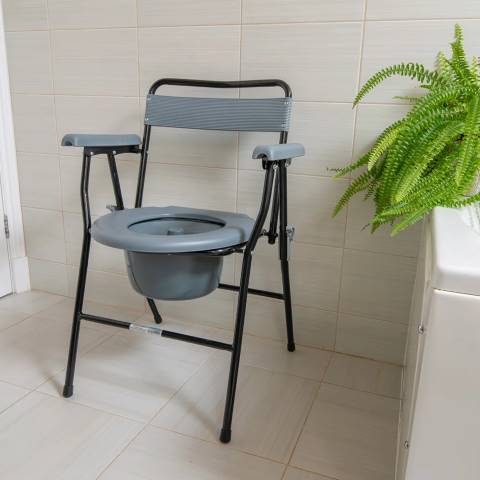 A commode often becomes necessary after a hospital stay, during rehabilitation, or when getting to the bathroom quickly is no longer straightforward. Choosing the best commodes for home use is not really about finding one “top” model. It is about finding the safest, most comfortable option for the person who will rely on it day after day, in the space they actually have at home.
That is why this decision deserves a little more thought than simply picking the first product that looks suitable. Height, width, arm support, portability, ease of cleaning and where the commode will be used all make a real difference. For some people, a simple bedside commode is exactly right. For others, a wheeled commode or a commode that fits over the toilet will be far more practical.
What Makes the Best Commodes for Home Use?
The best commodes for home use share a few important qualities. They should feel stable when the user sits down and stands up, be comfortable enough for regular use, and fit naturally into the home without creating extra obstacles. Just as importantly, they should match the user’s strength, balance and daily routine.
A commode that works well for one person may be completely wrong for another. Someone recovering from surgery may need a temporary bedside option that is easy to position close to the bed. A person living with long-term reduced mobility may benefit more from a durable commode with adjustable height and stronger armrests. When transfers need to be more carefully considered, the level of adjustment and ease of use become far more important.
Weight capacity matters too, and so does seat height. If the seat is too low, standing can become a struggle. If it is too high, the user may feel unstable. These details are often what separate a commode that gets used confidently from one that ends up being awkward and avoided.
The Main Types of Commode for Home Use
There is no single style that suits every home. The right choice depends on whether the commode is needed by the bed, in the bathroom, or as part of a wider mobility setup.
Bedside Commodes
This is the type most people picture first. A bedside commode is designed to sit near the bed or in another convenient room, with a seat and removable pan beneath. It can be particularly helpful at night, when fatigue, pain or urgency makes walking to the bathroom difficult.
For short-term recovery, a standard bedside commode is often the most practical option. It is usually straightforward to move, simple to clean and easy for family members or carers to manage. The trade-off is that some basic models may feel more clinical and offer less padding or comfort for frequent use.
Toilet Surround and Over-Toilet Commodes
Some commodes are designed to sit over an existing toilet, providing a raised and more supportive seating position. This can be a very good choice if the user can still reach the bathroom but needs help with sitting and standing safely.
An over-toilet commode can save space and feel less intrusive in the home. It also avoids repeated use of a commode pan. The limitation is obvious: it only works if bathroom access is still manageable.
Wheeled Commodes
Wheeled commodes are often useful when transfers need more support or when the commode also serves as a shower or toilet chair. These tend to be more specialised and are often chosen when a user has more significant mobility needs.
The benefit is flexibility, especially in care routines. The trade-off is that they take up more room and may not be necessary for every household. Bathroom dimensions become especially important here.
Folding Commodes
A folding commode can be useful where space is tight or where equipment may only be needed occasionally. They are easier to store and can be more convenient for temporary recovery.
That said, portability should not come at the expense of stability. A lighter frame may be easier to handle, but it still needs to feel secure in use.
How to Choose the Right Commode for Your Home
The most helpful starting point is not the product description. It is the person using it. Think about their mobility, confidence, transfer ability and whether help is available.
If the user can stand and pivot with support, armrests and correct seat height may be the key features. If they tire easily, comfort and proximity to the bed may matter most. If a spouse, relative or carer will be emptying and cleaning the pan, ease of access should not be overlooked. A commode can look suitable on paper but still be frustrating in day-to-day use if these practical points are ignored.
The room matters as much as the person. Measure the available floor space carefully, including room to approach the commode safely with a walking frame or stick if needed. In smaller bedrooms and bathrooms, compact design becomes a real advantage.
It is also worth thinking about whether needs are likely to change. For temporary use, a basic adjustable commode may be enough. For long-term use, it may be worth choosing a more supportive option from the start, especially if comfort and reliability will affect everyday confidence.
Features Worth Paying Attention To
A commode does not need every possible extra, but some features make a noticeable difference.
Adjustable height is one of the most useful features. It allows the seat to be set at a position that supports safer transfers. Padded armrests can also improve comfort and provide reassurance when sitting down. If the user has sensitive skin or spends longer sitting down, a more supportive seat may be worth considering.
Removable pans should be easy to lift out without awkward handling. Splash guards, lids and pan handles can all help with hygiene and dignity. These are not glamorous details, but they matter a great deal in everyday life.
Non-slip feet are essential on standard commodes, particularly on hard flooring. With wheeled models, reliable brakes are just as important. If the commode may be moved between rooms, check that it is not too heavy for the person managing it.
Width is another point that sometimes gets missed. Standard frames do not suit everyone. Some users need a more compact design to fit a narrow space, while others need a wider seat and frame for comfort and safety.
Comfort, Dignity and Confidence at Home
People often focus on the practical side of a commode, understandably so, but comfort and dignity should sit alongside safety. If a commode feels unstable, too exposed or too awkward to clean, it can affect a person’s willingness to use it. That can lead to unnecessary strain, rushed transfers or avoidable accidents when trying to reach the bathroom instead.
A good commode supports independence because it reduces anxiety. The user knows it is there when needed, and family members gain peace of mind too. That reassurance is often just as valuable as the equipment itself.
Appearance can matter more than people expect. Some homes are happy with a straightforward clinical style, while others prefer equipment that feels less prominent in the room. There is nothing trivial about that. If a product fits more comfortably into the home environment, people are often more relaxed about using it.
When Expert Advice Helps Most
If you are comparing the best commodes for home use and feel unsure, that is very common. The difficulty is not usually a lack of options. It is knowing which option will genuinely work in real life.
This is where a specialist mobility retailer can help by looking at the whole picture: the user’s mobility, the home layout, short-term recovery needs versus long-term daily use, and whether other aids such as toilet frames, shower chairs or walking aids also need to work alongside the commode. At Cavendish Health Care & Mobility, that practical matching process is often what gives customers the confidence to choose well.
It is especially helpful to ask for advice when someone has had a recent fall, is recovering from surgery, has changing mobility, or needs more than one transfer aid in the home. In those situations, the safest choice is not always the most obvious one.
A Sensible Way to Make the Final Choice
If you are deciding between two commodes, choose the one that best supports everyday use rather than the one that simply looks most compact or cheapest. A commode is there to make life easier, safer and less tiring. If it does that reliably, it is doing its job well.
The right commode can bring back a surprising amount of confidence at home. With the right fit, it becomes part of a routine that feels more manageable, more comfortable and a little less stressful for everyone involved.
Date Published: 20/07/2026
Recent Blogs
- New to Cavendish Health Care: The AVIVA RX10 Power Chair
- How to Use Bath Boards Safely and Comfortably
- When Wheelchair Repairs Need a Specialist
- What Wheelchair Width Do I Need? A Simple Guide
- Stairlift or Home Lift: Which Is Right for You?
- How to Choose the Best Portable Mobility Ramps
- Can Riser Recliners Help Circulation at Home?
- Bathroom Safety Aids Guide for Safer Daily Living
- What Is a Bespoke Riser Recliner Chair? Goldilocks and the Three Chairs
- Which Wheelchair Cushion Helps Pressure Sores?
- Choosing the Right Mobility Scooter Rain Cover
- How to Choose Grab Rails for Safer Living
- Lightweight Transit Wheelchair Review for Everyday Use
- How to Pick a Shower Stool That Feels Safe
- How to Choose a Mobility Scooter Repair Service: A Checklist & Review Guide
- Best Commodes for Home Use: What to Choose
- Choosing Triple Motor Riser Recliner Chairs
- 12 Best Daily Living Aids for Arthritis
- Home Mobility Assessment Guide for Safer Living
- Bathroom Mobility Aids Trends in 2026
- How Cavendish Health Care Waterlooville Puts Customers First
- What Bathroom Aids Prevent Falls at Home?
- Getting the Right Fit from Your Rollator
- Rollator or Walking Frame: Which Fits Best?
- Triple vs Quad Motor Riser Recliner Chairs
- 10 Top Daily Living Aids for Easier Days
- How to Choose the Best Riser Recliner Chairs
- Best Walking Aids for Balance Explained
- Profiling Bed Buying Guide for Home Use
- Do Mobility Scooters Need Servicing?
- Drive AeroCarbon: A Lightweight Folding Mobility Scooter Built for Modern Travel
- How to Choose a Rollator That Fits You
- Are Riser Recliners Good for Arthritis?
- A Practical Mobility Scooter Repair Checklist
- Monarch Supa Carbon Lite: A Lightweight Carbon Fibre Mobility Scooter Built for Travel
- Top Riser Recliner Chair Features to Look For
- Wheelchair Seating Guide for Better Comfort
- How to Clean Riser Recliners Properly
- Manual Wheelchair or Rollator?
- Making Your Home Safer When Living with Parkinsons
- Best Mobility Scooters for Seniors
- What Do Mobility Scooters Cost in the UK?
- A Different Definition of Independence
- From Pavements to Parks: Testing Rollator Durability for an Active Lifestyle
- Beyond Three Wheels: Choosing the Best 4-Wheeled Rollator for Parkinsons Safety
- April is Parkinsons Awareness Month: Reclaiming Your Daily Walk
- Cavendish MS Society Fundraiser Week in Waterlooville
- Supporting Accessible Travel at the Yes You Can Travel Event
- Wheelchair Servicing From 45 pounds Throughout March at Cavendish Health Care
- The 10-Second Transformation: Why Folding Powerchairs are Changing the Game
- Real World Manoeuvrability Dont Let Narrow Doorways Hold You Back
- Hampshire DFG Funding Boost: 50M Pounds Extra for Home Adaptations
- A Valued Thank You from Mr Garbutt
- Rediscover Your Sense of Adventure at the Yes You Can Travel and Adventure Day in Denmead
- A Guide to Mobility Milestones: When Is It Time to Upgrade to Electric?
- Yes You Can Travel & Adventure: Supporting Independence Beyond the Home
- The 2026 Mobility Review: How Proposed Law Changes Could Affect Your Scooter or Powerchair
- How the 2025 Autumn Budget Could Shape Everyday Life for Mobility Equipment Users
- Choosing The Right Mobility Aid: Your Ultimate FAQ Guide to Walkers, Rollators & Scooters
- Stay Mobile This Winter in Portsmouth & Waterlooville: 5 Essential Tips
- Helping Portsmouth & Waterlooville Hospital Patients Get Home Sooner
- A Lifetime of Service: My Mums Dedication to the Poppy Appeal
- Choosing the Right Mobility Aids After Hospital Discharge
- Sleep Better This Winter with an Adjustable Bed
- How to Make Your Garden Accessible with Mobility Aids
- How to Keep Warm and Dry on Your Mobility Scooter or Powerchair
- How The Right Mobility Scooter Transforms Independence: From Holidays to Everyday Life
- Hospital Discharge Support: Fast, Flexible Mobility Equipment Hire
- Stiltz Home Lifts: The Smarter Platform Lift for Independent Living
- Mobility Scooter Upgrade: How the Di Blasi R30 Fixes Old Flaws
- VAT Relief on Mobility Aids: Why Pricing Transparency Matters More Than Ever
- Do You Need Mobility Scooter Insurance? 6 Reasons to Consider Cover
- Walking Aids Explained: Types, Features & Benefits
- Stay Safe: Essential Bathroom Aids to Prevent Slips and Falls
- Embracing Life with Reduced Mobility
- Wheelchair Exercises and Tips to Stay Active and Social
- The Benefits of a Home Mobility Scooter Demonstration by Cavendish Health Care
- What to Do If Your Mobility Product Breaks Down: A Step-by-Step Guide
- What to Consider When Buying a Mobility Scooter
- Understanding the Journey of Mobility Aids
- How a SupaScoota Spartan has given me my freedom back
- Cavendish Health Care Maintenance Tips for Supascoota Mobility Scooters
- Accessible Walks in West Sussex
- Walking Stick Guide: Conquer Stairs with Ease and Confidence
- Struggling with stairs? Use our Walking Aids specifically designed for stairs
- Adjustable Beds - Experience Unparalleled Mobility
- Looking for a bathroom mobility aid?
- The benefits of a home demonstration
- Exploring Dorset's Charm: Accessible Walks for All Abilities
- Are you searching for a super light mobility scooter?
- Electric powered wheelchairs (Powerchairs)
- Discover Nature's Beauty: Accessible Walks in Devon for All Abilities
- Mobility Equipment: Buying Online vs In-Store
- Best Lightweight Car Boot Mobility Scooters for 2023
- What to expect from a home demonstration
- SupaScoota Sprint: Made to be a Portable Mobility Scooter
- Comfortable & Healthy Seating in your Rise Recliner Chair
- Why we're big fans of the V8 iLiving folding mobility scooter
- Benefits of an Adjustable Bed | Personalised Comfort for Better Sleep
- Staycation Travel Scooters for Summer 2022
- Best Car Boot Mobility Scooters for 2022
- Less than four weeks until Christmas
- Spotlight: The SupaScoota Spartan
- Would you buy a mobility scooter if it could...
- Buying Online vs Buying Offline Which is right for you?
- Help Around the Home | Living Aids | Accessibility
- Weather Protection Accessories for You and Your Mobility Scooter
- Mobility Scooter Maintenance in 5 Easy Steps
- Portable Mobility Scooters: What are your options?
- A Brief History of the Wheelchair
- Cavendish Health Care & Mobility will be at Naidex 2020
- Driving Miss Daisy: Assistance for People with Mobility Needs
- Christmas Gift Ideas for those with Limited Mobility
- The Highway Code for Mobility Scooter Users
- World Restart a Heart Day | Awareness
- How to Exercise if you have Limited Mobility
- SupaScoota Travel Adventures | Mr Roper's Experience
- Exploring the world of Wheelchair Tennis?
- Mobility Showroom in Hampshire | Cavendish Health Care & Mobility
- Stephen Hawking's Wheelchair to Sell in Online Auction
- A new 'life changing app' for disabled train users
- How to Prevent Mobility Scooter Theft
- Four Easy Ways to Get your Mobility Scooter into your Car Boot
- Accessible Walks for Everyone to Enjoy in Hampshire
- Is this the most versatile powerchair range in the UK?
- Torquay Showroom | Mobility Scooters, Wheelchairs, and More
- On Holiday at Euro Disney with the i3 Mobility Scooter
- Cavendish Healthcare's recommendations for World Book Day!
- 6 Reasons to Buy a Portable Mobility Scooter
- Travelling with a Lithium-Ion Battery
- Relax with our Top Range of Bathing Accessories
- 7 Top Reading Aids
- Guide to Riser Recliner Chairs
- Thank You for Supporting our Macmillan Coffee Morning
- The Able Label range of clothing
- Meeting our Easter Competition Winner at Winscombe Care Home
- Flight Friendly Lithium Batteries