


Best Shower Chairs for Elderly People at Home
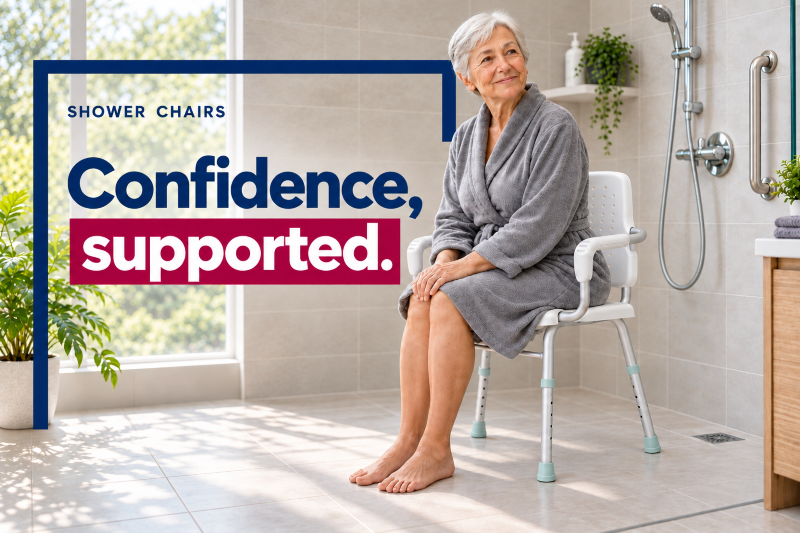 A shower can be one of the more demanding parts of the day when standing feels unsteady, painful or tiring. When looking for the best shower chairs elderly people can use at home, the right answer is rarely as simple as the chair with the most features. It is the one that makes washing safer and more comfortable without making the bathroom harder to use.
A well-chosen shower chair can reduce the need to stand for long periods, provide reassuring support while washing and help someone maintain their usual routine with greater confidence. For family members, it can also remove some of the worry around slips and falls. The key is to match the chair to the person, the shower area and the way they transfer in and out.
What makes a shower chair a good choice?
The best shower chair is stable on the floor, comfortable enough for regular use and simple to position safely. It should allow the user to sit with both feet supported where possible, rather than perching or stretching to reach the controls.
Look first at the chair's weight capacity, seat height and overall footprint. A chair may look compact online, but the measurements need to work inside the actual shower tray or wet room. There should be enough room to sit down, wash comfortably and stand up again without catching elbows on a screen, wall or grab rail.
Most shower chairs have corrosion-resistant aluminium frames and plastic seats designed to drain water away. Non-slip ferrules on the legs are essential. Adjustable legs can be particularly useful where the shower floor has a slight slope, but every leg must be set to the same secure height unless the product instructions specifically state otherwise.
Comfort matters too. A contoured seat, smooth edges and drainage holes can make regular washing far more pleasant. However, a heavily padded seat is not automatically better. It must be designed for shower use, dry properly and be easy to clean.
Best shower chairs for elderly users: choosing the style
There is no single chair that suits every person. The most appropriate option depends on balance, leg strength, upper-body support and whether assistance is needed during washing.
Shower stools for smaller shower spaces
A shower stool has no backrest or armrests. It is often the most compact option and can work well for someone who is steady when sitting and standing, but becomes fatigued while showering. It can also be practical in a narrow cubicle where a full chair would leave too little room to move.
The trade-off is clear: a stool provides less support. It is not usually the right choice for somebody with poor balance, reduced trunk control or a tendency to lean backwards while seated. A stool can be an excellent aid, but only when it matches the user's confidence and ability.
Shower chairs with a backrest
A backrest offers welcome reassurance for people who need more support while seated. This type of chair is often a good everyday choice for an older person who can step into the shower independently but finds prolonged standing difficult.
Check that the backrest does not prevent the chair from sitting fully inside the shower area. In some enclosed cubicles, the door opening or shower screen can limit the usable space more than expected. Taking a few measurements before choosing avoids an awkward fit.
Chairs with armrests
Armrests can make a real difference when standing up and sitting down. They provide a firm point of contact, which is especially helpful for someone with reduced leg strength, arthritis or stiffness after surgery.
They do make the chair wider, so they are best suited to a larger shower or wet room. Some models have removable armrests, which can be useful where space is tight or where side transfers are needed. The arms should feel solid and be at a height the user can comfortably push from, rather than reaching up towards.
Perching stools and shower commodes
A perching stool has a raised, often angled seat that supports a semi-standing position. It can suit someone who finds lowering onto a standard chair difficult but can still bear some weight through their legs. It is more commonly used at the basin than in a shower, so always check that a particular model is suitable for wet use.
For people needing more assistance, a shower commode may be the more appropriate option. These chairs are designed for washing and toileting, with versions available for self-propelling, attendant use or wheeled access over a toilet. This is a more specialised choice, and professional guidance can be particularly valuable to ensure correct sizing, safe transfers and suitable bathroom access.
Measure the shower before buying
A few minutes with a tape measure can prevent the most common shower-chair problems. Measure the inside width and depth of the shower floor, not just the width of the opening. Account for shower screens, inward-opening doors, built-in shelves, taps and the position of the drain.
Seat height deserves just as much attention. As a general guide, the user should be able to place their feet securely on the floor with their knees at a comfortable angle. If the seat is too low, standing up may be difficult. If it is too high, feet may dangle or balance may feel less secure.
Consider how the person will get into place. Can they step safely over the shower tray edge? Do they turn and sit, or do they need to transfer sideways? A chair alone does not solve a difficult threshold or a poorly positioned shower door. In these circumstances, a bath board, transfer bench, grab rails or a level-access shower may be worth considering alongside the chair.
Safety features that should not be overlooked
A shower chair is an aid to safer washing, not a guarantee against falls. It needs to be correctly assembled, checked regularly and used on a suitable surface.
Four features are particularly worthwhile when comparing models:
- Non-slip feet that are intact, clean and firmly attached to every leg.
- A stated maximum user weight that comfortably exceeds the user's weight, rather than only just meeting it.
- Drainage holes to reduce pooling water on the seat.
- Easy-to-clean surfaces without sharp edges, cracks or difficult joints where soap residue can build up.
If the chair has adjustable legs, inspect the locking clips or push buttons after setting the height. The chair should not rock or twist when pressure is applied. Avoid placing it on a loose bath mat, and never use furniture that has not been made for wet bathroom conditions as a substitute.
Grab rails can provide useful support, but they must be properly fitted to a sound wall. Towel rails, shower controls and glass screens are not designed to take a person's weight.
Think about the person's usual routine
The most successful bathroom aids fit into real life. Someone who prefers a quick shower before breakfast may value a lightweight chair that is easy to move. Another person may need a supportive backrest and arms because washing is slower or because a carer assists them.
Consider whether the user can reach shampoo, soap and the shower handset while seated. A height-adjustable shower handset on a slide rail is often helpful, as is a shower caddy positioned within easy reach. Reaching across a wet floor or twisting sharply to pick up toiletries can undermine the benefit of the chair.
If mobility has changed suddenly after illness, a fall or an operation, needs may change again during recovery. A simple stool may be enough for a short period, while a more supportive chair may be appropriate for longer-term use. It is sensible to choose for current safety rather than hoping someone will manage with less support than they need.
Cleaning and checking a shower chair
A shower chair should be rinsed after use and cleaned regularly with warm water and a suitable mild cleaner. Drying it where practical helps reduce soap build-up and keeps the surface pleasant to use. Avoid harsh abrasive products that can damage plastic surfaces or rubber feet.
Every few weeks, check the ferrules for wear, the frame for damage and all adjustment points for secure fitting. Replace worn feet promptly, as they are a small part with a significant safety role. If the chair begins to wobble, stop using it until the cause has been identified.
Trying a chair in person can be reassuring, particularly where transfers, limited strength or restricted bathroom space are involved. At Cavendish Health Care & Mobility, specialist guidance can help families consider the practical details that are easy to miss when choosing from a photograph alone.
The right shower chair should make personal care feel more manageable, not more complicated. When it fits the bathroom well and gives the user the support they genuinely need, it can help preserve the comfort, privacy and independence that matter every day.
Date published: 22/10/2026
Recent Blogs
- Best Shower Chairs for Elderly People at Home
- How to Charge Powerchair Batteries Safely
- Adjustable Bed Guide for Better Daily Comfort
- Home Mobility Funding in Hampshire 2026: A Step-by-Step Guide
- New to Cavendish Health Care: The AVIVA RX10 Power Chair
- How to Use Bath Boards Safely and Comfortably
- When Wheelchair Repairs Need a Specialist
- What Wheelchair Width Do I Need? A Simple Guide
- Stairlift or Home Lift: Which Is Right for You?
- How to Choose the Best Portable Mobility Ramps
- Can Riser Recliners Help Circulation at Home?
- Bathroom Safety Aids Guide for Safer Daily Living
- What Is a Bespoke Riser Recliner Chair? Goldilocks and the Three Chairs
- Which Wheelchair Cushion Helps Pressure Sores?
- Choosing the Right Mobility Scooter Rain Cover
- How to Choose Grab Rails for Safer Living
- Lightweight Transit Wheelchair Review for Everyday Use
- How to Pick a Shower Stool That Feels Safe
- How to Choose a Mobility Scooter Repair Service: A Checklist & Review Guide
- Best Commodes for Home Use: What to Choose
- Choosing Triple Motor Riser Recliner Chairs
- 12 Best Daily Living Aids for Arthritis
- Home Mobility Assessment Guide for Safer Living
- Bathroom Mobility Aids Trends in 2026
- How Cavendish Health Care Waterlooville Puts Customers First
- What Bathroom Aids Prevent Falls at Home?
- Getting the Right Fit from Your Rollator
- Rollator or Walking Frame: Which Fits Best?
- Triple vs Quad Motor Riser Recliner Chairs
- 10 Top Daily Living Aids for Easier Days
- How to Choose the Best Riser Recliner Chairs
- Best Walking Aids for Balance Explained
- Profiling Bed Buying Guide for Home Use
- Do Mobility Scooters Need Servicing?
- Drive AeroCarbon: A Lightweight Folding Mobility Scooter Built for Modern Travel
- How to Choose a Rollator That Fits You
- Are Riser Recliners Good for Arthritis?
- A Practical Mobility Scooter Repair Checklist
- Monarch Supa Carbon Lite: A Lightweight Carbon Fibre Mobility Scooter Built for Travel
- Top Riser Recliner Chair Features to Look For
- Wheelchair Seating Guide for Better Comfort
- How to Clean Riser Recliners Properly
- Manual Wheelchair or Rollator?
- Making Your Home Safer When Living with Parkinsons
- Best Mobility Scooters for Seniors
- What Do Mobility Scooters Cost in the UK?
- A Different Definition of Independence
- From Pavements to Parks: Testing Rollator Durability for an Active Lifestyle
- Beyond Three Wheels: Choosing the Best 4-Wheeled Rollator for Parkinsons Safety
- April is Parkinsons Awareness Month: Reclaiming Your Daily Walk
- Cavendish MS Society Fundraiser Week in Waterlooville
- Supporting Accessible Travel at the Yes You Can Travel Event
- Wheelchair Servicing From 45 pounds Throughout March at Cavendish Health Care
- The 10-Second Transformation: Why Folding Powerchairs are Changing the Game
- Real World Manoeuvrability Dont Let Narrow Doorways Hold You Back
- Hampshire DFG Funding Boost: 50M Pounds Extra for Home Adaptations
- A Valued Thank You from Mr Garbutt
- Rediscover Your Sense of Adventure at the Yes You Can Travel and Adventure Day in Denmead
- A Guide to Mobility Milestones: When Is It Time to Upgrade to Electric?
- Yes You Can Travel & Adventure: Supporting Independence Beyond the Home
- The 2026 Mobility Review: How Proposed Law Changes Could Affect Your Scooter or Powerchair
- How the 2025 Autumn Budget Could Shape Everyday Life for Mobility Equipment Users
- Choosing The Right Mobility Aid: Your Ultimate FAQ Guide to Walkers, Rollators & Scooters
- Stay Mobile This Winter in Portsmouth & Waterlooville: 5 Essential Tips
- Helping Portsmouth & Waterlooville Hospital Patients Get Home Sooner
- A Lifetime of Service: My Mums Dedication to the Poppy Appeal
- Choosing the Right Mobility Aids After Hospital Discharge
- Sleep Better This Winter with an Adjustable Bed
- How to Make Your Garden Accessible with Mobility Aids
- How to Keep Warm and Dry on Your Mobility Scooter or Powerchair
- How The Right Mobility Scooter Transforms Independence: From Holidays to Everyday Life
- Hospital Discharge Support: Fast, Flexible Mobility Equipment Hire
- Stiltz Home Lifts: The Smarter Platform Lift for Independent Living
- Mobility Scooter Upgrade: How the Di Blasi R30 Fixes Old Flaws
- VAT Relief on Mobility Aids: Why Pricing Transparency Matters More Than Ever
- Do You Need Mobility Scooter Insurance? 6 Reasons to Consider Cover
- Walking Aids Explained: Types, Features & Benefits
- Stay Safe: Essential Bathroom Aids to Prevent Slips and Falls
- Embracing Life with Reduced Mobility
- Wheelchair Exercises and Tips to Stay Active and Social
- The Benefits of a Home Mobility Scooter Demonstration by Cavendish Health Care
- What to Do If Your Mobility Product Breaks Down: A Step-by-Step Guide
- What to Consider When Buying a Mobility Scooter
- Understanding the Journey of Mobility Aids
- How a SupaScoota Spartan has given me my freedom back
- Cavendish Health Care Maintenance Tips for Supascoota Mobility Scooters
- Accessible Walks in West Sussex
- Walking Stick Guide: Conquer Stairs with Ease and Confidence
- Struggling with stairs? Use our Walking Aids specifically designed for stairs
- Adjustable Beds - Experience Unparalleled Mobility
- Looking for a bathroom mobility aid?
- The benefits of a home demonstration
- Exploring Dorset's Charm: Accessible Walks for All Abilities
- Are you searching for a super light mobility scooter?
- Electric powered wheelchairs (Powerchairs)
- Discover Nature's Beauty: Accessible Walks in Devon for All Abilities
- Mobility Equipment: Buying Online vs In-Store
- Best Lightweight Car Boot Mobility Scooters for 2023
- What to expect from a home demonstration
- SupaScoota Sprint: Made to be a Portable Mobility Scooter
- Comfortable & Healthy Seating in your Rise Recliner Chair
- Why we're big fans of the V8 iLiving folding mobility scooter
- Benefits of an Adjustable Bed | Personalised Comfort for Better Sleep
- Staycation Travel Scooters for Summer 2022
- Best Car Boot Mobility Scooters for 2022
- Less than four weeks until Christmas
- Spotlight: The SupaScoota Spartan
- Would you buy a mobility scooter if it could...
- Buying Online vs Buying Offline Which is right for you?
- Help Around the Home | Living Aids | Accessibility
- Weather Protection Accessories for You and Your Mobility Scooter
- Mobility Scooter Maintenance in 5 Easy Steps
- Portable Mobility Scooters: What are your options?
- A Brief History of the Wheelchair
- Cavendish Health Care & Mobility will be at Naidex 2020
- Driving Miss Daisy: Assistance for People with Mobility Needs
- Christmas Gift Ideas for those with Limited Mobility
- The Highway Code for Mobility Scooter Users
- World Restart a Heart Day | Awareness
- How to Exercise if you have Limited Mobility
- SupaScoota Travel Adventures | Mr Roper's Experience
- Exploring the world of Wheelchair Tennis?
- Mobility Showroom in Hampshire | Cavendish Health Care & Mobility
- Stephen Hawking's Wheelchair to Sell in Online Auction
- A new 'life changing app' for disabled train users
- How to Prevent Mobility Scooter Theft
- Four Easy Ways to Get your Mobility Scooter into your Car Boot
- Accessible Walks for Everyone to Enjoy in Hampshire
- Is this the most versatile powerchair range in the UK?
- Torquay Showroom | Mobility Scooters, Wheelchairs, and More
- On Holiday at Euro Disney with the i3 Mobility Scooter
- Cavendish Healthcare's recommendations for World Book Day!
- 6 Reasons to Buy a Portable Mobility Scooter
- Travelling with a Lithium-Ion Battery
- Relax with our Top Range of Bathing Accessories
- 7 Top Reading Aids
- Guide to Riser Recliner Chairs
- Thank You for Supporting our Macmillan Coffee Morning
- The Able Label range of clothing
- Meeting our Easter Competition Winner at Winscombe Care Home
- Flight Friendly Lithium Batteries