


How to Charge Powerchair Batteries Safely
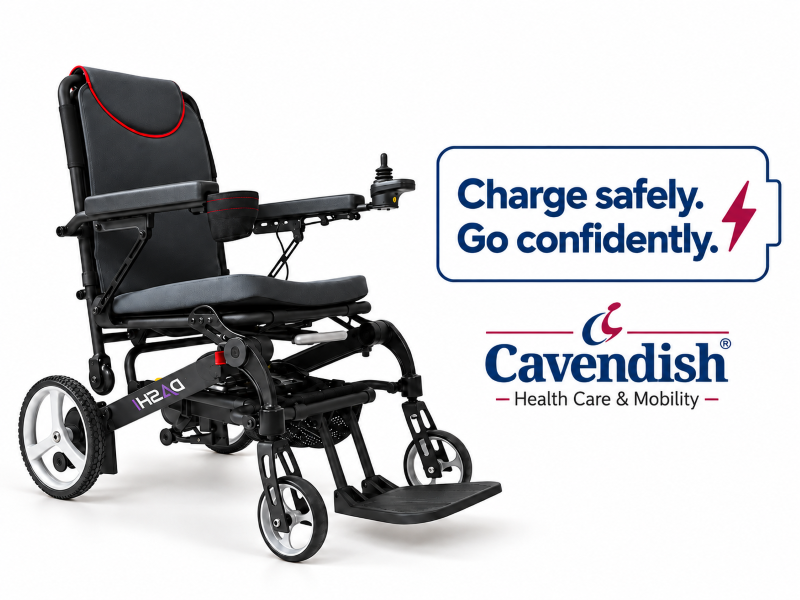 A powerchair gives you the freedom to get around on your own terms, so a flat battery can feel far more disruptive than a simple inconvenience. Knowing how to charge powerchair batteries safely helps protect that freedom, while also reducing the risk of avoidable battery damage, poor performance and charging faults.
Most powerchairs use sealed batteries designed for mobility use, but the correct routine can vary between makes, models and battery types. Your powerchair handbook and charger instructions should always take priority. If anything looks damaged, gets unusually hot or does not seem right, stop charging and seek advice before using the chair.
Choose a safe place to charge your powerchair
Charge the powerchair indoors in a dry, well-ventilated area, on a firm and level surface. A hallway, spare room or utility area can work well if there is enough room around the chair and the charging lead will not become a trip hazard.
Avoid bathrooms, damp garages, sheds and anywhere exposed to rain or condensation. Do not charge close to a radiator, open fire, cooker or direct sunlight. Batteries and chargers naturally produce some heat while working, and heat is one of the main things that shortens battery life.
Keep the charging area clear of bedding, cushions, papers, clothing and other flammable materials. It is also sensible to keep children and pets away from the charger and cables. The aim is not to make charging complicated, but to give the equipment a clean, cool place where it will not be knocked, covered or accidentally unplugged.
Use the charger supplied for your chair
Only use the charger supplied with the powerchair, or a replacement specifically approved for that make and model. Chargers may look similar, yet have different voltage, connection types and charging programmes. Using an unsuitable charger can damage batteries, reduce their working life or create a safety concern.
Before connecting it, check the charger casing, mains plug and cable for obvious signs of wear. Do not use it if the lead is frayed, the plug is cracked, the connector is bent, or the charger has been dropped or exposed to water. A replacement charger is a much safer option than trying to repair a cable at home.
Where possible, plug the charger directly into a suitable wall socket. Avoid overloaded extension leads and multiway adaptors, particularly if other high-power appliances are connected. If you need to use an extension lead because of the layout of your home, choose one that is fully unwound, in good condition and kept away from walkways.
Follow the connection order in your handbook
Many powerchairs require you to switch the chair off, connect the charger to the charging socket on the chair, and then switch on the mains supply. However, connection arrangements are not identical across all models. Follow the instructions that came with your powerchair rather than relying on a routine from a previous chair.
Take care not to force the charging connector. It should line up and fit securely. If it will not connect easily, check its orientation and look for dirt or damage. Never alter the plug, push objects into the charging port or use a loose connection.
Charge regularly, not only when the battery is flat
Mobility batteries generally perform best when they are charged routinely. For many everyday users, that means putting the powerchair on charge after it has been used, even if the battery indicator does not appear low. Leaving batteries partially discharged for long periods can lead to reduced range and, eventually, batteries that will not hold a useful charge.
If you use your powerchair daily, a regular evening charge is often practical. Whether it is safe to leave the chair charging overnight depends on the charger and battery system fitted to your particular model. Modern approved chargers are often designed to reduce or stop charging once batteries are full, but you should only leave yours connected for long periods if the manufacturer’s instructions allow it.
Try not to run the batteries completely flat. A battery gauge is a helpful guide, but it can drop more quickly on hills, rough ground, long journeys, cold days or when carrying extra weight. Plan to recharge before the display reaches the very last bar, rather than relying on the chair to get you home on its final reserve.
Let a warm battery cool before charging
After a long outing, particularly in warm weather or over hilly ground, allow the powerchair to stand for a little while before charging if the batteries or charger area feel warm. This gives the batteries time to return closer to room temperature.
Similarly, a chair brought in from very cold weather may benefit from warming up indoors before it is put on charge. Charging batteries when they are extremely hot or cold can affect their performance. There is no need to guess if you are unsure - your handbook will provide model-specific guidance, and a mobility specialist can help explain the recommended routine.
Know what normal charging looks like
Your charger should usually show a light or display to indicate that charging is in progress and another when the batteries are fully charged. The exact colours and meanings vary, so keep the charger guide somewhere easy to find. A gentle warmth from the charger can be normal, but it should not become too hot to touch or produce a burning smell.
Stop charging immediately if you notice smoke, sparking, swelling, leaking fluid, a strong chemical smell, excessive heat or unusual noises. Switch off the mains supply if it is safe to do so, keep clear of the equipment and do not use the powerchair until it has been inspected. Do not attempt to open a sealed battery or charger yourself.
A chair that charges very quickly but loses power soon afterwards may have ageing batteries. Equally, a charger that stays on for much longer than usual, or a battery indicator that behaves erratically, can point to a battery, charger or connection issue. These are worth investigating early, before they leave you without reliable mobility.
Keep batteries healthy during periods of non-use
A powerchair that is used less often still needs attention. If you are recovering from an illness, going on holiday, or using another mobility aid for a while, do not simply leave the chair uncharged for weeks or months. Check the manual for its storage-charging schedule and follow it carefully.
In general, keep the chair in a dry place at a moderate temperature and recharge it at the intervals recommended by the manufacturer. Batteries slowly lose charge even when the chair is not moving. A neglected battery may appear to accept a charge later, but it may no longer deliver dependable range.
If the powerchair will be stored for an extended period, avoid placing items on it or around the charging port. Check that the tyres are supported on a level floor, and arrange a service if the chair has been unused for a long time before returning to regular journeys.
Battery care affects your everyday range
Charging is only one part of battery care. Tyres that are too soft, frequent steep slopes, very cold conditions and carrying more than the chair is designed for can all reduce the distance available from a full charge. Battery range also naturally decreases as batteries age.
It can be tempting to buy the cheapest replacement batteries when performance starts to fade. However, powerchairs need correctly specified mobility batteries that match the chair and charger. The wrong type may fit physically but perform poorly or affect the electrical system. A specialist can confirm the right replacement and check whether the issue is genuinely the batteries rather than the charger, wiring or powerchair controls.
At Cavendish Health Care & Mobility, we understand that dependable charging is part of dependable independence. If you are uncertain about your charger, worried about a change in battery performance or need help choosing replacement batteries, asking for advice early can prevent a small concern becoming a missed appointment or an interrupted day out.
A simple, consistent charging routine gives your powerchair the best chance of being ready when you are. Treat any change in heat, charging time or range as useful information, not something to put off until the next journey.
Date published: 21/10/2026
Recent Blogs
- How to Charge Powerchair Batteries Safely
- Adjustable Bed Guide for Better Daily Comfort
- Home Mobility Funding in Hampshire 2026: A Step-by-Step Guide
- New to Cavendish Health Care: The AVIVA RX10 Power Chair
- How to Use Bath Boards Safely and Comfortably
- When Wheelchair Repairs Need a Specialist
- What Wheelchair Width Do I Need? A Simple Guide
- Stairlift or Home Lift: Which Is Right for You?
- How to Choose the Best Portable Mobility Ramps
- Can Riser Recliners Help Circulation at Home?
- Bathroom Safety Aids Guide for Safer Daily Living
- What Is a Bespoke Riser Recliner Chair? Goldilocks and the Three Chairs
- Which Wheelchair Cushion Helps Pressure Sores?
- Choosing the Right Mobility Scooter Rain Cover
- How to Choose Grab Rails for Safer Living
- Lightweight Transit Wheelchair Review for Everyday Use
- How to Pick a Shower Stool That Feels Safe
- How to Choose a Mobility Scooter Repair Service: A Checklist & Review Guide
- Best Commodes for Home Use: What to Choose
- Choosing Triple Motor Riser Recliner Chairs
- 12 Best Daily Living Aids for Arthritis
- Home Mobility Assessment Guide for Safer Living
- Bathroom Mobility Aids Trends in 2026
- How Cavendish Health Care Waterlooville Puts Customers First
- What Bathroom Aids Prevent Falls at Home?
- Getting the Right Fit from Your Rollator
- Rollator or Walking Frame: Which Fits Best?
- Triple vs Quad Motor Riser Recliner Chairs
- 10 Top Daily Living Aids for Easier Days
- How to Choose the Best Riser Recliner Chairs
- Best Walking Aids for Balance Explained
- Profiling Bed Buying Guide for Home Use
- Do Mobility Scooters Need Servicing?
- Drive AeroCarbon: A Lightweight Folding Mobility Scooter Built for Modern Travel
- How to Choose a Rollator That Fits You
- Are Riser Recliners Good for Arthritis?
- A Practical Mobility Scooter Repair Checklist
- Monarch Supa Carbon Lite: A Lightweight Carbon Fibre Mobility Scooter Built for Travel
- Top Riser Recliner Chair Features to Look For
- Wheelchair Seating Guide for Better Comfort
- How to Clean Riser Recliners Properly
- Manual Wheelchair or Rollator?
- Making Your Home Safer When Living with Parkinsons
- Best Mobility Scooters for Seniors
- What Do Mobility Scooters Cost in the UK?
- A Different Definition of Independence
- From Pavements to Parks: Testing Rollator Durability for an Active Lifestyle
- Beyond Three Wheels: Choosing the Best 4-Wheeled Rollator for Parkinsons Safety
- April is Parkinsons Awareness Month: Reclaiming Your Daily Walk
- Cavendish MS Society Fundraiser Week in Waterlooville
- Supporting Accessible Travel at the Yes You Can Travel Event
- Wheelchair Servicing From 45 pounds Throughout March at Cavendish Health Care
- The 10-Second Transformation: Why Folding Powerchairs are Changing the Game
- Real World Manoeuvrability Dont Let Narrow Doorways Hold You Back
- Hampshire DFG Funding Boost: 50M Pounds Extra for Home Adaptations
- A Valued Thank You from Mr Garbutt
- Rediscover Your Sense of Adventure at the Yes You Can Travel and Adventure Day in Denmead
- A Guide to Mobility Milestones: When Is It Time to Upgrade to Electric?
- Yes You Can Travel & Adventure: Supporting Independence Beyond the Home
- The 2026 Mobility Review: How Proposed Law Changes Could Affect Your Scooter or Powerchair
- How the 2025 Autumn Budget Could Shape Everyday Life for Mobility Equipment Users
- Choosing The Right Mobility Aid: Your Ultimate FAQ Guide to Walkers, Rollators & Scooters
- Stay Mobile This Winter in Portsmouth & Waterlooville: 5 Essential Tips
- Helping Portsmouth & Waterlooville Hospital Patients Get Home Sooner
- A Lifetime of Service: My Mums Dedication to the Poppy Appeal
- Choosing the Right Mobility Aids After Hospital Discharge
- Sleep Better This Winter with an Adjustable Bed
- How to Make Your Garden Accessible with Mobility Aids
- How to Keep Warm and Dry on Your Mobility Scooter or Powerchair
- How The Right Mobility Scooter Transforms Independence: From Holidays to Everyday Life
- Hospital Discharge Support: Fast, Flexible Mobility Equipment Hire
- Stiltz Home Lifts: The Smarter Platform Lift for Independent Living
- Mobility Scooter Upgrade: How the Di Blasi R30 Fixes Old Flaws
- VAT Relief on Mobility Aids: Why Pricing Transparency Matters More Than Ever
- Do You Need Mobility Scooter Insurance? 6 Reasons to Consider Cover
- Walking Aids Explained: Types, Features & Benefits
- Stay Safe: Essential Bathroom Aids to Prevent Slips and Falls
- Embracing Life with Reduced Mobility
- Wheelchair Exercises and Tips to Stay Active and Social
- The Benefits of a Home Mobility Scooter Demonstration by Cavendish Health Care
- What to Do If Your Mobility Product Breaks Down: A Step-by-Step Guide
- What to Consider When Buying a Mobility Scooter
- Understanding the Journey of Mobility Aids
- How a SupaScoota Spartan has given me my freedom back
- Cavendish Health Care Maintenance Tips for Supascoota Mobility Scooters
- Accessible Walks in West Sussex
- Walking Stick Guide: Conquer Stairs with Ease and Confidence
- Struggling with stairs? Use our Walking Aids specifically designed for stairs
- Adjustable Beds - Experience Unparalleled Mobility
- Looking for a bathroom mobility aid?
- The benefits of a home demonstration
- Exploring Dorset's Charm: Accessible Walks for All Abilities
- Are you searching for a super light mobility scooter?
- Electric powered wheelchairs (Powerchairs)
- Discover Nature's Beauty: Accessible Walks in Devon for All Abilities
- Mobility Equipment: Buying Online vs In-Store
- Best Lightweight Car Boot Mobility Scooters for 2023
- What to expect from a home demonstration
- SupaScoota Sprint: Made to be a Portable Mobility Scooter
- Comfortable & Healthy Seating in your Rise Recliner Chair
- Why we're big fans of the V8 iLiving folding mobility scooter
- Benefits of an Adjustable Bed | Personalised Comfort for Better Sleep
- Staycation Travel Scooters for Summer 2022
- Best Car Boot Mobility Scooters for 2022
- Less than four weeks until Christmas
- Spotlight: The SupaScoota Spartan
- Would you buy a mobility scooter if it could...
- Buying Online vs Buying Offline Which is right for you?
- Help Around the Home | Living Aids | Accessibility
- Weather Protection Accessories for You and Your Mobility Scooter
- Mobility Scooter Maintenance in 5 Easy Steps
- Portable Mobility Scooters: What are your options?
- A Brief History of the Wheelchair
- Cavendish Health Care & Mobility will be at Naidex 2020
- Driving Miss Daisy: Assistance for People with Mobility Needs
- Christmas Gift Ideas for those with Limited Mobility
- The Highway Code for Mobility Scooter Users
- World Restart a Heart Day | Awareness
- How to Exercise if you have Limited Mobility
- SupaScoota Travel Adventures | Mr Roper's Experience
- Exploring the world of Wheelchair Tennis?
- Mobility Showroom in Hampshire | Cavendish Health Care & Mobility
- Stephen Hawking's Wheelchair to Sell in Online Auction
- A new 'life changing app' for disabled train users
- How to Prevent Mobility Scooter Theft
- Four Easy Ways to Get your Mobility Scooter into your Car Boot
- Accessible Walks for Everyone to Enjoy in Hampshire
- Is this the most versatile powerchair range in the UK?
- Torquay Showroom | Mobility Scooters, Wheelchairs, and More
- On Holiday at Euro Disney with the i3 Mobility Scooter
- Cavendish Healthcare's recommendations for World Book Day!
- 6 Reasons to Buy a Portable Mobility Scooter
- Travelling with a Lithium-Ion Battery
- Relax with our Top Range of Bathing Accessories
- 7 Top Reading Aids
- Guide to Riser Recliner Chairs
- Thank You for Supporting our Macmillan Coffee Morning
- The Able Label range of clothing
- Meeting our Easter Competition Winner at Winscombe Care Home
- Flight Friendly Lithium Batteries