


Can Riser Recliners Help Circulation at Home?
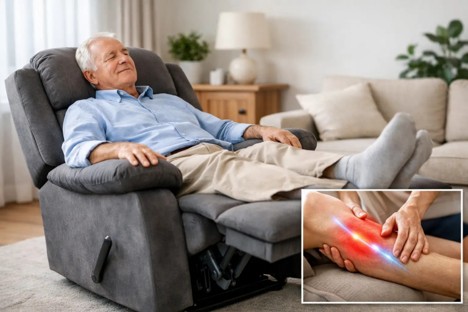 A pair of swollen ankles at the end of the day, legs that feel heavy after sitting, or the worry of getting safely out of a chair can make relaxing at home feel less restful than it should. Can riser recliners help circulation? They can support better sitting positions, make it easier to change position and help some people put their feet up comfortably. However, they are not a treatment for poor circulation, and the right chair must be chosen and used carefully.
For many people with reduced mobility, the biggest benefit is not one single recline setting. It is having a comfortable, supportive chair that makes regular movement and safer transfers more achievable throughout the day.
Can riser recliners help circulation?
A riser recliner may help with some of the everyday factors that contribute to uncomfortable legs and feet. Sitting still for a long time can allow fluid to collect around the lower legs and ankles, particularly if the feet are down and the person is unable to get up easily. Raising the legs for short periods, when appropriate for the individual, may help reduce this feeling of heaviness or swelling.
The riser function can matter just as much as the recline. If standing up from a low chair is painful, tiring or unsteady, it is easy to remain seated longer than intended. A chair that gently raises the user towards a standing position can make it more realistic to get up for a short walk, make a drink or simply stretch the legs. These small changes of position can support comfort and circulation over the course of a day.
That said, a riser recliner cannot clear a blocked artery, treat a blood clot or cure a medical circulation condition. Swollen legs can have several causes, including venous problems, heart or kidney conditions, medication side effects and infection. It is always sensible to speak to a GP, pharmacist, district nurse or other healthcare professional if swelling is new, persistent or worsening.
Why sitting position makes a difference
When someone sits in a poorly fitted chair, they may slide forwards, perch on the edge or keep their feet in an awkward position. This can put pressure on the backs of the thighs, make getting up harder and discourage them from changing position. A supportive riser recliner is designed to offer a more stable place to sit, with cushioning and controls that help the user adjust their posture.
Leg elevation can be useful for some people, but higher is not automatically better. The best position depends on the person’s health needs, comfort and professional advice. People with certain heart, breathing or circulation conditions may find a fully reclined or elevated-leg position uncomfortable. Others may need to avoid prolonged elevation altogether.
A good chair should allow the user to find a balanced position rather than force them into one. Their back should be supported, their hips comfortably placed towards the rear of the seat and their feet able to rest securely when the chair is upright. If the chair has a footrest, it should support the legs without digging in behind the knees.
Independent back and footrest movement
Dual-motor riser recliners are often particularly helpful because the backrest and footrest can move independently. This gives the user more scope to raise their feet while keeping the backrest relatively upright, or to recline their back without lifting their legs too far. It is a practical feature for someone who spends longer periods in the chair and needs to adjust their position gradually.
Single-motor chairs can still be an excellent choice, especially where straightforward operation and a familiar recline movement are preferred. The best option is based on the user’s height, weight, mobility, medical needs and how they expect to use the chair day to day.
Movement is still the key
Even the most comfortable chair should not become a place to remain motionless for hours. Gentle, regular movement is usually one of the most useful ways to encourage healthy blood flow in the legs, provided it is safe for the individual.
For a person who is able to do so, this may mean standing and taking a few steps around the room at regular intervals. For someone who cannot safely walk without help, simple seated ankle pumps, toe lifts and gentle knee movements may be more appropriate. A physiotherapist or healthcare professional can advise on exercises that match a person’s condition and ability.
A riser recliner can make these routines easier to maintain because it reduces the effort of standing and sitting down. The chair supports independence, but it should complement movement rather than replace it. If a person needs assistance to transfer, they should not use the rise function without the right support or a safe plan agreed with their carer or therapist.
Choosing a chair that supports comfort and safe use
Fit is central to whether a riser recliner will be genuinely helpful. A chair that is too deep can encourage the user to slide forward on the seat, minimising any support on their lower back, and increasing pressure on their calves. One that is too high can leave their feet dangling, while a chair that is too low can make standing difficult. Excessively soft cushioning may feel inviting at first but can make changing position and getting out of the chair more demanding.
When trying a chair, consider how it feels in several positions, not only when fully reclined. Check that the user can reach the handset easily, that their feet are supported and that the armrests are at a useful height for transfers. The chair should feel stable during the rising motion and should not require the user to lean or twist awkwardly to stand.
For people with pronounced ankle swelling, sensitive skin, limited sensation or a tendency to slide in their seat, more careful assessment is worthwhile. Pressure care needs, posture, transfer technique and any prescribed equipment may affect which model is suitable. This is one reason why a proper demonstration can be more valuable than choosing from photographs alone.
At Cavendish Health Care & Mobility, the focus is on finding a chair that suits the person and their home, rather than simply selecting the most feature-rich model. A discussion about daily routines, existing health advice and the space available can prevent an expensive chair from becoming an uncomfortable compromise.
When a riser recliner is not enough
Seek prompt medical advice for one-sided swelling, redness, warmth, tenderness or sudden pain in a leg, particularly if it is accompanied by breathlessness or chest pain. These symptoms can require urgent assessment and should not be managed by changing chair position at home.
It is also sensible to arrange a routine medical review if leg swelling does not improve, becomes more frequent, causes skin changes or is accompanied by aching when walking. A healthcare professional may recommend treatment, medication changes, compression garments or a specific activity plan. Compression garments should be used only with appropriate advice, especially where arterial circulation is a concern.
If the user regularly falls asleep in their chair, has difficulty shifting their weight, develops sore areas or spends most of the day seated, ask for professional guidance. They may benefit from a more tailored seating assessment, a pressure-relieving cushion or changes to their daily support.
Making the most of a riser recliner
Used thoughtfully, a riser recliner can become a reassuring part of a daily routine. Start by using the rise feature slowly and only when the area around the chair is clear. Keep the handset within easy reach, avoid trailing cables and make sure walking aids are positioned safely before standing.
Encourage regular changes of position rather than waiting until the legs feel uncomfortable. A short period with the feet supported, followed by standing or gentle seated exercises, may be more useful than staying fully reclined for a long time. Comfort matters too: a person is far more likely to move regularly if they are not distracted by back pain, aching hips or the fear of struggling out of their chair.
The most helpful chair is one that makes everyday life feel more manageable. For someone with reduced mobility, that may mean being able to stand with confidence, rest their legs in comfort and remain involved in the routines that help them stay independent.
Date published: 10/09/2026
Recent Blogs
- Adjustable Bed Guide for Better Daily Comfort
- Home Mobility Funding in Hampshire 2026: A Step-by-Step Guide
- New to Cavendish Health Care: The AVIVA RX10 Power Chair
- How to Use Bath Boards Safely and Comfortably
- When Wheelchair Repairs Need a Specialist
- What Wheelchair Width Do I Need? A Simple Guide
- Stairlift or Home Lift: Which Is Right for You?
- How to Choose the Best Portable Mobility Ramps
- Can Riser Recliners Help Circulation at Home?
- Bathroom Safety Aids Guide for Safer Daily Living
- What Is a Bespoke Riser Recliner Chair? Goldilocks and the Three Chairs
- Which Wheelchair Cushion Helps Pressure Sores?
- Choosing the Right Mobility Scooter Rain Cover
- How to Choose Grab Rails for Safer Living
- Lightweight Transit Wheelchair Review for Everyday Use
- How to Pick a Shower Stool That Feels Safe
- How to Choose a Mobility Scooter Repair Service: A Checklist & Review Guide
- Best Commodes for Home Use: What to Choose
- Choosing Triple Motor Riser Recliner Chairs
- 12 Best Daily Living Aids for Arthritis
- Home Mobility Assessment Guide for Safer Living
- Bathroom Mobility Aids Trends in 2026
- How Cavendish Health Care Waterlooville Puts Customers First
- What Bathroom Aids Prevent Falls at Home?
- Getting the Right Fit from Your Rollator
- Rollator or Walking Frame: Which Fits Best?
- Triple vs Quad Motor Riser Recliner Chairs
- 10 Top Daily Living Aids for Easier Days
- How to Choose the Best Riser Recliner Chairs
- Best Walking Aids for Balance Explained
- Profiling Bed Buying Guide for Home Use
- Do Mobility Scooters Need Servicing?
- Drive AeroCarbon: A Lightweight Folding Mobility Scooter Built for Modern Travel
- How to Choose a Rollator That Fits You
- Are Riser Recliners Good for Arthritis?
- A Practical Mobility Scooter Repair Checklist
- Monarch Supa Carbon Lite: A Lightweight Carbon Fibre Mobility Scooter Built for Travel
- Top Riser Recliner Chair Features to Look For
- Wheelchair Seating Guide for Better Comfort
- How to Clean Riser Recliners Properly
- Manual Wheelchair or Rollator?
- Making Your Home Safer When Living with Parkinsons
- Best Mobility Scooters for Seniors
- What Do Mobility Scooters Cost in the UK?
- A Different Definition of Independence
- From Pavements to Parks: Testing Rollator Durability for an Active Lifestyle
- Beyond Three Wheels: Choosing the Best 4-Wheeled Rollator for Parkinsons Safety
- April is Parkinsons Awareness Month: Reclaiming Your Daily Walk
- Cavendish MS Society Fundraiser Week in Waterlooville
- Supporting Accessible Travel at the Yes You Can Travel Event
- Wheelchair Servicing From 45 pounds Throughout March at Cavendish Health Care
- The 10-Second Transformation: Why Folding Powerchairs are Changing the Game
- Real World Manoeuvrability Dont Let Narrow Doorways Hold You Back
- Hampshire DFG Funding Boost: 50M Pounds Extra for Home Adaptations
- A Valued Thank You from Mr Garbutt
- Rediscover Your Sense of Adventure at the Yes You Can Travel and Adventure Day in Denmead
- A Guide to Mobility Milestones: When Is It Time to Upgrade to Electric?
- Yes You Can Travel & Adventure: Supporting Independence Beyond the Home
- The 2026 Mobility Review: How Proposed Law Changes Could Affect Your Scooter or Powerchair
- How the 2025 Autumn Budget Could Shape Everyday Life for Mobility Equipment Users
- Choosing The Right Mobility Aid: Your Ultimate FAQ Guide to Walkers, Rollators & Scooters
- Stay Mobile This Winter in Portsmouth & Waterlooville: 5 Essential Tips
- Helping Portsmouth & Waterlooville Hospital Patients Get Home Sooner
- A Lifetime of Service: My Mums Dedication to the Poppy Appeal
- Choosing the Right Mobility Aids After Hospital Discharge
- Sleep Better This Winter with an Adjustable Bed
- How to Make Your Garden Accessible with Mobility Aids
- How to Keep Warm and Dry on Your Mobility Scooter or Powerchair
- How The Right Mobility Scooter Transforms Independence: From Holidays to Everyday Life
- Hospital Discharge Support: Fast, Flexible Mobility Equipment Hire
- Stiltz Home Lifts: The Smarter Platform Lift for Independent Living
- Mobility Scooter Upgrade: How the Di Blasi R30 Fixes Old Flaws
- VAT Relief on Mobility Aids: Why Pricing Transparency Matters More Than Ever
- Do You Need Mobility Scooter Insurance? 6 Reasons to Consider Cover
- Walking Aids Explained: Types, Features & Benefits
- Stay Safe: Essential Bathroom Aids to Prevent Slips and Falls
- Embracing Life with Reduced Mobility
- Wheelchair Exercises and Tips to Stay Active and Social
- The Benefits of a Home Mobility Scooter Demonstration by Cavendish Health Care
- What to Do If Your Mobility Product Breaks Down: A Step-by-Step Guide
- What to Consider When Buying a Mobility Scooter
- Understanding the Journey of Mobility Aids
- How a SupaScoota Spartan has given me my freedom back
- Cavendish Health Care Maintenance Tips for Supascoota Mobility Scooters
- Accessible Walks in West Sussex
- Walking Stick Guide: Conquer Stairs with Ease and Confidence
- Struggling with stairs? Use our Walking Aids specifically designed for stairs
- Adjustable Beds - Experience Unparalleled Mobility
- Looking for a bathroom mobility aid?
- The benefits of a home demonstration
- Exploring Dorset's Charm: Accessible Walks for All Abilities
- Are you searching for a super light mobility scooter?
- Electric powered wheelchairs (Powerchairs)
- Discover Nature's Beauty: Accessible Walks in Devon for All Abilities
- Mobility Equipment: Buying Online vs In-Store
- Best Lightweight Car Boot Mobility Scooters for 2023
- What to expect from a home demonstration
- SupaScoota Sprint: Made to be a Portable Mobility Scooter
- Comfortable & Healthy Seating in your Rise Recliner Chair
- Why we're big fans of the V8 iLiving folding mobility scooter
- Benefits of an Adjustable Bed | Personalised Comfort for Better Sleep
- Staycation Travel Scooters for Summer 2022
- Best Car Boot Mobility Scooters for 2022
- Less than four weeks until Christmas
- Spotlight: The SupaScoota Spartan
- Would you buy a mobility scooter if it could...
- Buying Online vs Buying Offline Which is right for you?
- Help Around the Home | Living Aids | Accessibility
- Weather Protection Accessories for You and Your Mobility Scooter
- Mobility Scooter Maintenance in 5 Easy Steps
- Portable Mobility Scooters: What are your options?
- A Brief History of the Wheelchair
- Cavendish Health Care & Mobility will be at Naidex 2020
- Driving Miss Daisy: Assistance for People with Mobility Needs
- Christmas Gift Ideas for those with Limited Mobility
- The Highway Code for Mobility Scooter Users
- World Restart a Heart Day | Awareness
- How to Exercise if you have Limited Mobility
- SupaScoota Travel Adventures | Mr Roper's Experience
- Exploring the world of Wheelchair Tennis?
- Mobility Showroom in Hampshire | Cavendish Health Care & Mobility
- Stephen Hawking's Wheelchair to Sell in Online Auction
- A new 'life changing app' for disabled train users
- How to Prevent Mobility Scooter Theft
- Four Easy Ways to Get your Mobility Scooter into your Car Boot
- Accessible Walks for Everyone to Enjoy in Hampshire
- Is this the most versatile powerchair range in the UK?
- Torquay Showroom | Mobility Scooters, Wheelchairs, and More
- On Holiday at Euro Disney with the i3 Mobility Scooter
- Cavendish Healthcare's recommendations for World Book Day!
- 6 Reasons to Buy a Portable Mobility Scooter
- Travelling with a Lithium-Ion Battery
- Relax with our Top Range of Bathing Accessories
- 7 Top Reading Aids
- Guide to Riser Recliner Chairs
- Thank You for Supporting our Macmillan Coffee Morning
- The Able Label range of clothing
- Meeting our Easter Competition Winner at Winscombe Care Home
- Flight Friendly Lithium Batteries